African Wax Print Fabric: Not From Africa, Yet Fully African
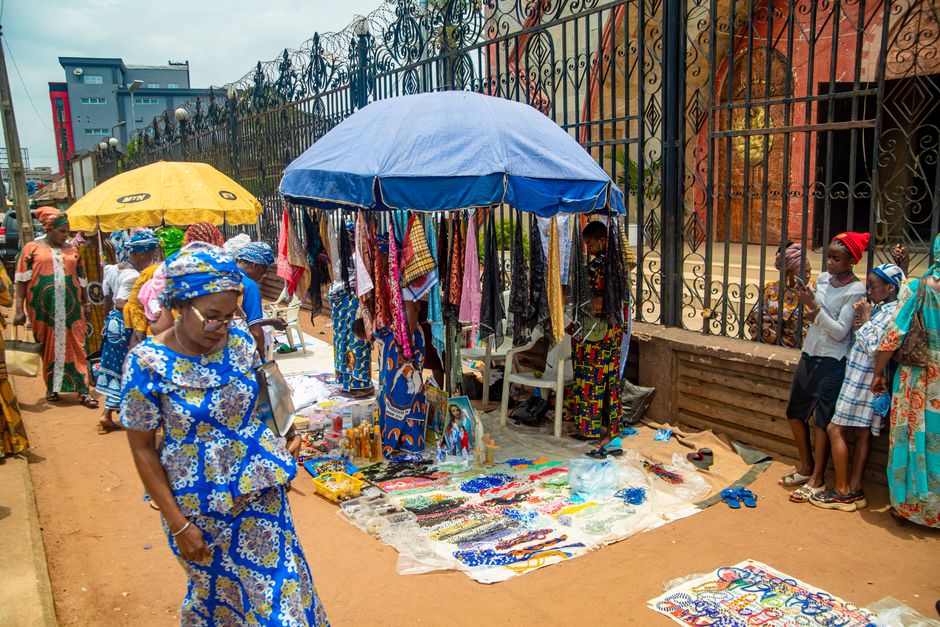
Discover how African wax print fabric evolved from Dutch industrial manufacturing and Javanese batik into a defining West African cultural language over 150 years.
✦ African Fashion
Styles, trends and fashion from across the African continent and diaspora
92 articles

Discover how African wax print fabric evolved from Dutch industrial manufacturing and Javanese batik into a defining West African cultural language over 150 years.

Explore how African fashion illustration builds a distinct visual language — from West African graphic traditions to the techniques of illustrators like Diana Ejaita.

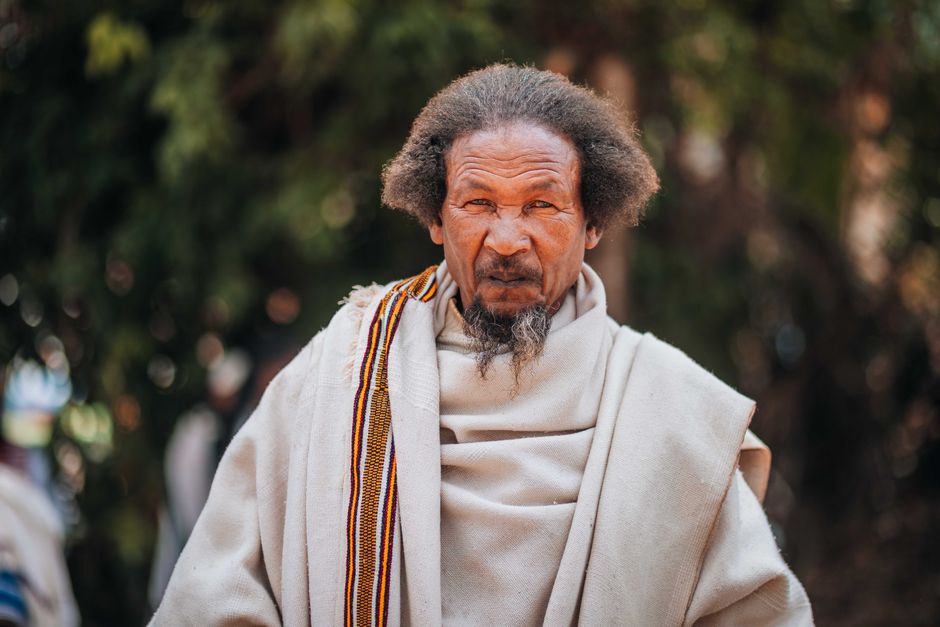
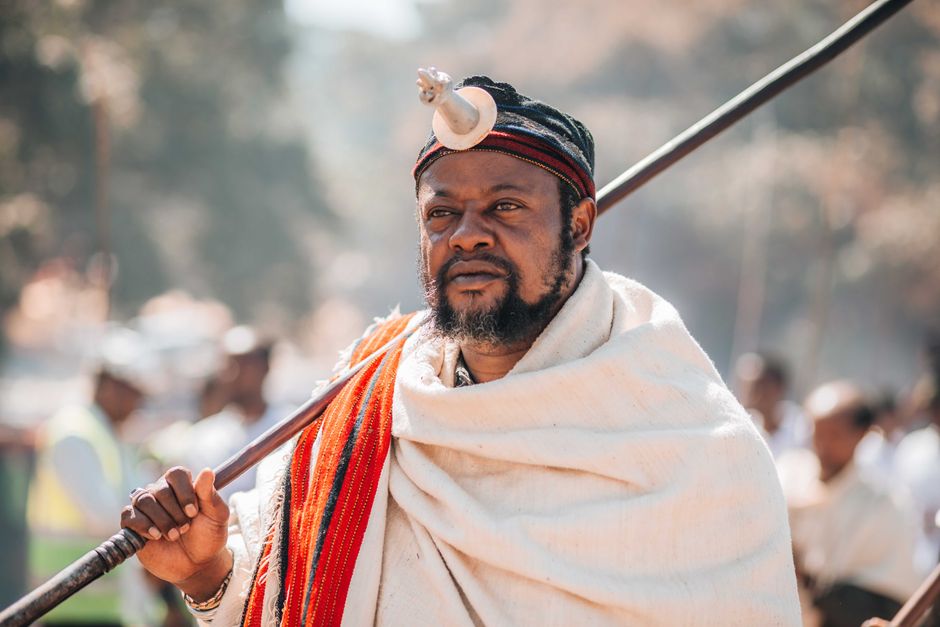
How West African strip weaving works — the horizontal treadle loom, strip construction, and why meaning is encoded in the textile's structure, not just its pattern.

How Ugandan barkcloth is made from the mutuba fig tree, why UNESCO recognised it, and why contemporary designers are returning to this pre-weave textile.

Discover how Yoruba aso-oke encodes rank, ceremony, and identity through weave structure, not just colour — a deep dive for fashion professionals.

Explore how african print suits men combine heritage and modern style for fashion enthusiasts and African style lovers seeking versatile cultural options.

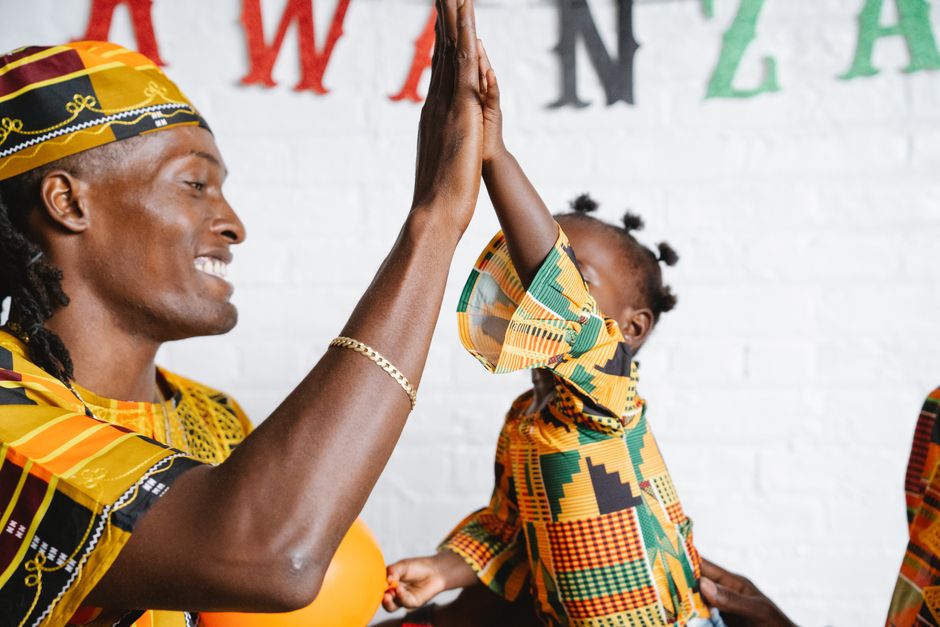
Kente cloth mens fashion brings cultural depth to modern looks. Fashion enthusiasts and African style lovers find practical styling advice here.

Discover styling advice and cultural insights on dashiki shirts for men. Perfect for fashion enthusiasts seeking authentic African fashion pieces with practical tips.

How West Africa's fermented indigo pits, adire resist techniques, and microbial chemistry create colorfast depth that synthetic dyes still struggle to match.

How systemic retail exclusion keeps Black-owned hair extension brands out of mainstream distribution — and what that means for the parallel economy sustaining them.

The true history of African wax print fabric — from Javanese batik to Dutch factories to West African markets — and how a manufactured import became genuinely indigenous.

How AI generative models handle African beadwork patterns—and why the gap between visual recognition and cultural meaning exposes deep limits in machine learning.