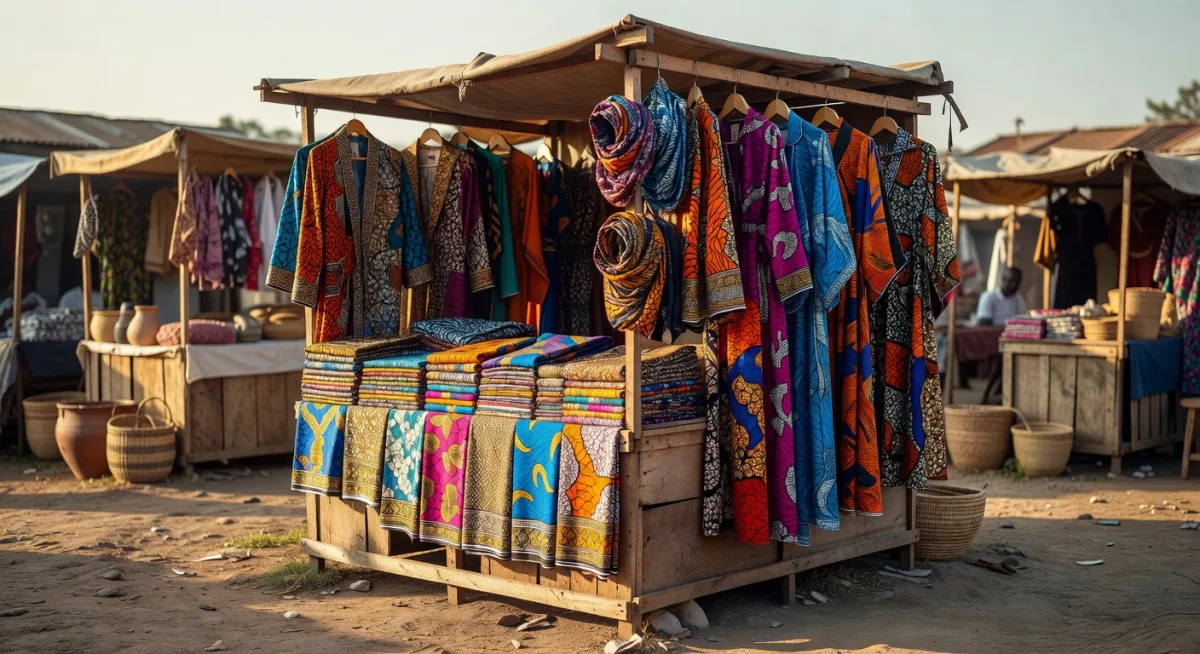
For fashion enthusiasts, African style lovers, and beauty seekers, diving into the vibrant world of African fashion offers endless creative and business opportunities. Whether you're inspired by the bold patterns of Ankara prints or the timeless elegance of traditional garments, starting a venture in this niche requires more than just passion. This is where the entrepreneurship class benefits for beginners come into play. These classes provide the foundation needed to transform your love for African style into a thriving business. In this article, we'll explore how such courses can empower you to build a brand that resonates with cultural heritage and modern trends.
Key Takeaways
- Entrepreneurship classes teach essential business skills tailored for beginners in African fashion.
- Networking opportunities in these courses connect you with industry insiders and mentors.
- Learn to create a unique brand identity that celebrates African style and culture.
- Gain practical knowledge on budgeting and financial planning for your fashion venture.
- Develop marketing strategies to reach global audiences with your designs.
- Understand how to source authentic materials and collaborate with local artisans.
- Build confidence to turn creative ideas into profitable business models.
Why Entrepreneurship Classes Matter for African Fashion Beginners
Starting a business in African fashion can feel overwhelming without the right tools. Many beginners dream of launching a clothing line inspired by cultural textiles but lack the know-how to begin. Entrepreneurship classes offer a structured path to turn those dreams into reality. They break down complex business concepts into manageable lessons for novices.
For African style lovers, these courses provide insights into market demands and trends. You’ll learn how to identify what resonates with your audience, whether it’s vibrant kente cloth or minimalist dashiki designs. This knowledge helps you craft products that stand out. It also ensures your offerings align with cultural authenticity.
Moreover, such classes often include case studies from successful African fashion entrepreneurs. Their stories inspire and offer practical lessons on overcoming challenges. You’ll discover how others navigated sourcing materials or building a customer base. This real-world perspective is invaluable for beginners.
Finally, entrepreneurship classes emphasize the importance of sustainability in fashion. As a beginner, you’ll learn to balance profit with ethical practices. This is crucial in an industry increasingly focused on eco-friendly production. For fashion enthusiasts, this adds depth to your brand’s mission.
Building Core Business Skills Through Entrepreneurship Classes
One of the standout entrepreneurship class benefits for beginners is skill-building. These courses cover essentials like business planning, budgeting, and inventory management. For someone passionate about African beauty and style, this means learning to price handmade jewelry or custom garments. You’ll gain confidence in handling finances.
Another key skill is market research, tailored to the fashion niche. Classes teach you to analyze competitors and spot gaps in the market. Imagine identifying a demand for African-inspired accessories that no one else offers. This insight can set your brand apart from the crowd.
Communication skills also get a boost in these programs. You’ll learn to pitch ideas to investors or collaborate with suppliers. For beauty seekers launching a skincare line with African ingredients, this is critical. Effective communication turns partnerships into lasting success.
In practice, I’ve seen beginners transform after mastering these basics. They start with vague ideas but leave classes with clear action plans. Whether it’s designing a collection or opening an online store, skills from entrepreneurship classes make it possible. Explore more inspiring journeys in our entrepreneurship stories.
Networking Opportunities for African Style Entrepreneurs
Networking is a game-changer, and entrepreneurship classes open doors to valuable connections. As a beginner in African fashion, meeting like-minded individuals can spark collaborations. You might find a designer to partner with on a new line. These relationships often start in class discussions or group projects.

Many courses also bring in guest speakers from the industry. Imagine learning directly from a successful African fashion brand owner. Their advice on navigating challenges is priceless. Plus, they might become mentors who guide your early steps.
Beyond peers and speakers, classes connect you to broader networks. Some programs link students with organizations supporting African businesses, like those highlighted by African Development Bank initiatives. These resources offer funding or training opportunities. They can elevate your fashion venture significantly.
For African style lovers, networking also means discovering local artisans. Classes often organize events or trips to meet creators of traditional fabrics. Building these ties ensures authentic materials for your designs. Check out upcoming opportunities at African events for more networking ideas.
Crafting a Unique Brand Identity in African Fashion
Entrepreneurship class benefits for beginners include learning to build a standout brand. In African fashion, your identity must reflect cultural roots and personal style. Classes guide you in defining what makes your designs unique. This process starts with understanding your target audience.
You’ll explore how to tell your story through every piece you create. Perhaps your brand focuses on modern twists to traditional wear. Courses teach you to weave this narrative into logos, packaging, and marketing. It’s about creating an emotional connection with customers.
From experience, I know that branding sets successful entrepreneurs apart. Classes often include exercises to refine your vision. You might create mood boards inspired by African landscapes or heritage. This hands-on approach helps beginners visualize their brand’s future.
Additionally, you’ll learn to protect your brand through trademarks and copyrights. This is vital in a competitive field like fashion. Understanding legal basics ensures your designs remain yours. It’s a practical skill that safeguards your creativity.
Marketing Strategies Tailored for African Fashion Ventures
Marketing is another area where entrepreneurship class benefits for beginners shine. These courses teach you to promote your African fashion or beauty products effectively. You’ll learn which platforms work best for reaching global style lovers. Social media strategies often take center stage in lessons.
For fashion enthusiasts, visual storytelling is key to marketing. Classes show you how to showcase your designs with stunning visuals. Think vibrant photos of models in African prints. You’ll also learn to write captions that engage and inspire your audience.
Digital tools like SEO and email campaigns are also covered. These help you reach customers searching for unique style pieces. Understanding analytics lets you track what works and adjust accordingly. It’s a skill that grows your online presence steadily.
Moreover, classes often discuss partnerships with influencers or cultural organizations. Collaborating with groups supported by platforms like United Nations cultural programs can boost visibility. This approach ties your brand to meaningful causes. It resonates deeply with African style lovers seeking authenticity.
Financial Planning and Sustainability in Fashion Startups
Financial planning is a critical entrepreneurship class benefit for beginners. Starting a fashion business, especially in African style, requires careful budgeting. Classes teach you to manage costs for materials like authentic textiles. You’ll learn to avoid common money pitfalls.
Budgeting lessons often include real-world examples. Imagine calculating expenses for a small collection of dashiki shirts. You’ll factor in production, shipping, and marketing costs. This clarity helps prevent overspending as you launch your brand.
Sustainability is also a focus in modern entrepreneurship courses. You’ll explore ways to source eco-friendly materials for your designs. This appeals to beauty seekers who value ethical practices. It positions your brand as a responsible player in fashion.
From experience, I’ve noticed beginners gain confidence with financial know-how. They start small but scale wisely thanks to class insights. Learning to balance profit and purpose is empowering. It ensures your African fashion venture thrives long-term.
Frequently Asked Questions
How can entrepreneurship classes help me start an African fashion business?
Entrepreneurship classes offer a roadmap for launching your African fashion business from scratch. They cover vital skills like business planning, marketing, and financial management tailored to the fashion industry. You’ll learn to source authentic materials and create designs that resonate with cultural trends. For beginners, this structured guidance prevents costly mistakes early on. Plus, networking in these classes connects you with mentors and peers. It’s a practical way to build a strong foundation for your brand.
What skills do I gain from entrepreneurship classes for fashion?
Taking part in entrepreneurship class benefits for beginners equips you with diverse skills for a fashion venture. You’ll master budgeting to manage costs for materials like Ankara fabrics. Marketing strategies help you reach African style lovers globally. Additionally, branding lessons ensure your designs stand out with cultural authenticity. Communication skills improve for pitching ideas or negotiating with suppliers. These tools collectively prepare you to turn creative passion into a successful business.
Are entrepreneurship classes worth it for small fashion startups?
Absolutely, these courses are a smart investment for small fashion startups. They provide actionable knowledge on scaling a business, even with limited resources. You’ll learn to create a unique identity that celebrates African heritage. Networking opportunities can lead to partnerships with local artisans or designers. Budgeting tips ensure you maximize every dollar spent on your venture. It’s a cost-effective way to avoid trial-and-error in this field.
How do entrepreneurship classes support networking in African style?
Networking is a major perk of enrolling in these programs. Classes often host events or bring in industry experts who share insights on African fashion. You might meet potential collaborators or mentors to guide your journey. Some courses connect students to organizations supporting cultural businesses. This opens doors to resources and funding for your designs. It’s an ideal space to build ties that elevate your brand’s reach.
What is the cost of entrepreneurship classes for fashion beginners?
The cost of these programs varies widely based on format and location. Online courses might start at a low fee, making them accessible to many. In-person classes or workshops can be pricier due to hands-on training. Some platforms offer free introductory sessions for African fashion enthusiasts. Check local community centers or online hubs for affordable options. Always weigh the potential benefits against the price before enrolling.
Final Thoughts
Embarking on a journey in African fashion as a beginner can be both exciting and daunting. However, the entrepreneurship class benefits for beginners provide a powerful foundation to turn your passion into a thriving business. From mastering core skills to building a unique brand identity, these courses equip you with tools to succeed in a competitive industry.
As you’ve seen, networking, marketing, and financial planning are just a few areas where classes make a difference. They help fashion enthusiasts and African style lovers create ventures that honor cultural heritage while embracing modern trends. I encourage you to explore a course that fits your goals and start building your dream today.
For more inspiration and resources, dive into our collection of women’s fashion stories. Your next big idea in African style might be just one click away. Take that first step now and transform your vision into reality.