✦ Issue #20 · September 11, 2026
This Week at Afrawear
As an Amazon Associate we earn from qualifying purchases.
Featured
How to Make Jollof Rice and Chicken: The One-Pot West African Technique That Builds Flavor From the Bird Up
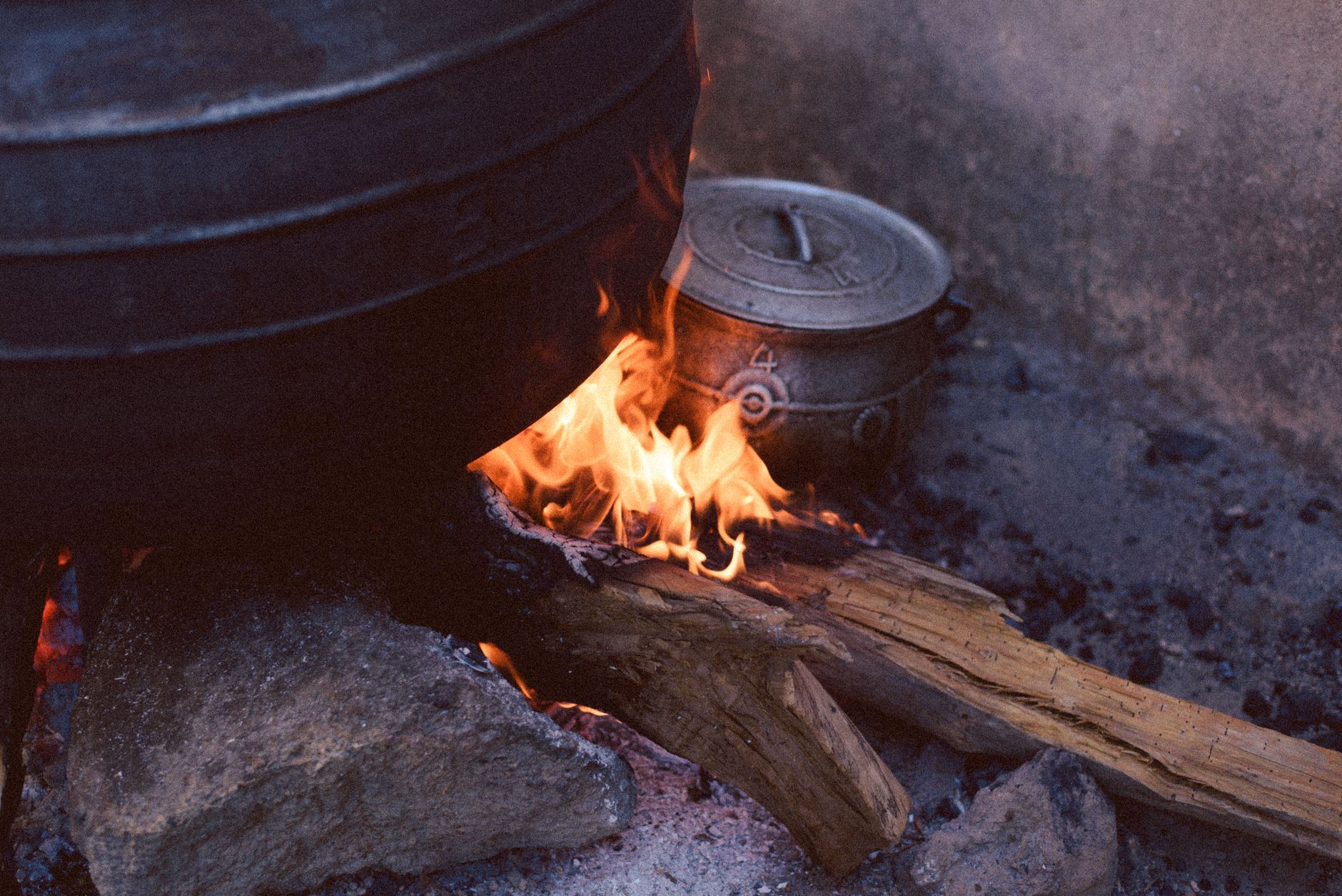
Master jollof rice and chicken with this step-by-step guide to the one-pot West African technique that builds deep, layered flavor from a whole bird.
What Do Ankara Print Motifs Actually Mean? The Symbol System Behind Africa's Most Popular Fabric
Discover how ankara print meanings work as a visual language — from specific motifs and color codes to compositional rules that carry deep cultural significance
More Than Matching Outfits: How Aso-Ebi Teaches African Children Who They Are
Discover how the aso-ebi family tradition teaches West African children cultural identity, social belonging, and the deep meaning encoded in shared cloth.
How to Wear Ankara Fabric: The Silhouette Rules, Occasion Codes, and Regional Styles Behind Africa's Most Worn Cloth
Learn how to wear Ankara fabric correctly—silhouette rules, occasion codes, and regional styling conventions that signal status, identity, and dress occasion.
Writing the Body: How African and Diaspora Authors Turned Hair, Skin, and Adornment Into a Literary Genre
Explore how African and diaspora authors used hair, skin, and adornment as literary lenses for identity, resistance, and self-definition across centuries of wri
How to Make Leopard Nail Art: The Pattern Logic, Spot Geometry, and African Print Roots Behind the Technique
Master leopard nail art with intention — understand the African visual grammar behind animal-print symbolism, spot geometry, and professional execution techniqu
What Is Mud Cloth Fabric? The Fermentation Science and Cultural Meaning Behind West Africa's Most Iconic Men's Textile
Discover how mud cloth fabric is made through ancient fermentation dyeing, what makes bògòlanfini technically unique, and why it defines Black men's fashion glo
Latest Openings
Fashion Designer — Trend-Driven, Collaborative, Generous PTO
Centric Brands — New York, New York, US