For fashion enthusiasts, African style lovers, and beauty seekers, the story of African diaspora fashion history offers a vibrant tapestry of culture and creativity. This journey through time reveals how African aesthetics have shaped global style. From traditional garments to modern runway trends, the influence is undeniable. This editorial resource dives deep into the roots and evolution of these styles.
Key Takeaways
- African diaspora fashion history reflects cultural resilience and identity across continents.
- Traditional African textiles like kente and Ankara hold deep symbolic meanings.
- The diaspora has influenced global fashion through bold patterns and unique silhouettes.
- Modern designers draw inspiration from historical African styles for contemporary looks.
- Fashion enthusiasts can incorporate diaspora elements into everyday wardrobes with ease.
- Understanding this history enriches appreciation for African style and beauty.
- Explore cultural events to connect with diaspora fashion roots firsthand.
Origins of African Diaspora Fashion History
The roots of African diaspora fashion history trace back to the continent’s diverse cultures. Before the transatlantic slave trade, African societies boasted intricate textiles and adornments. These styles varied by region, tribe, and social status. Kente cloth from Ghana, for instance, symbolized royalty and heritage.
During the diaspora, millions of Africans were forcibly displaced. Their clothing became a form of resistance and identity. Enslaved individuals often preserved cultural elements through handmade garments. These acts of preservation laid the foundation for future styles.
As an Amazon Associate, I earn from qualifying purchases.
As communities spread to the Americas, Caribbean, and Europe, fashion adapted to new environments. African influences merged with local materials and trends. This fusion created unique looks, like the headwraps seen in the Caribbean. These styles remain iconic today.
💼 Career Opportunities
For African style lovers, understanding these origins is key. It shows how fashion became a language of survival. Modern enthusiasts can honor this history by exploring traditional textiles. Wearing such pieces connects one to a powerful legacy.
Iconic Styles Across the Diaspora
African diaspora fashion history is rich with iconic styles that resonate globally. In the Caribbean, vibrant carnival costumes showcase African roots. Bright colors and elaborate designs reflect cultural pride. These looks captivate beauty seekers worldwide.
In the United States, the Harlem Renaissance era marked a turning point. African Americans embraced bold fashion as self-expression. Zoot suits and elegant dresses became symbols of defiance. This period influenced global style trends immensely.
As an Amazon Associate, we earn from qualifying purchases.
Brazil’s Afro-Brazilian communities also contributed unique elements. Their traditional white lace garments, tied to Candomblé rituals, are striking. These outfits blend African spirituality with local flair. They inspire modern designers today.
Fashion enthusiasts can draw from these diverse styles. Incorporating elements like bold prints or headwraps adds flair. Exploring these looks deepens appreciation for diaspora stories. It’s a way to celebrate cultural diversity through style.
Textiles and Patterns: Symbols of Identity
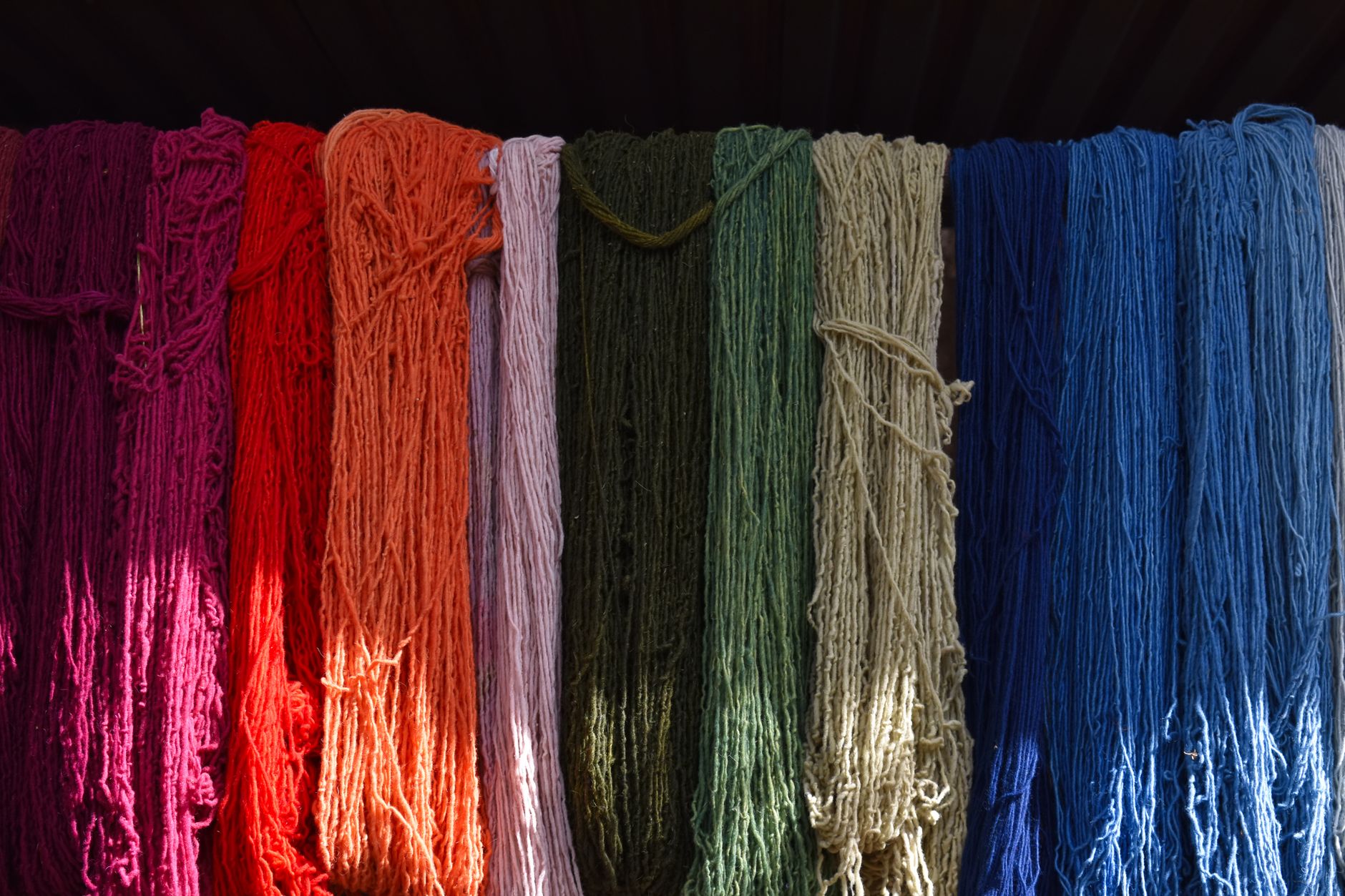
Textiles play a central role in African diaspora fashion history. Kente cloth, with its intricate weaves, tells stories of heritage. Each color and pattern holds specific meaning. This makes it a powerful cultural artifact.
Ankara fabric, often called Dutch Wax, is another cornerstone. Originally inspired by Indonesian batik, it became distinctly African. Its bold prints are now global fashion staples. They represent resilience and creativity.
In diaspora communities, these textiles adapted to new contexts. Enslaved Africans often used whatever fabrics were available. Yet, they infused them with cultural significance. This adaptability is inspiring for modern style lovers.
For beauty seekers and fashion fans, textiles offer endless inspiration. Wearing Ankara skirts or kente accessories connects one to history. These pieces are more than fashion; they’re identity. Exploring them enriches personal style and cultural understanding. To further appreciate cultural narratives in professional contexts, check out career growth insights.
Influence on Global Fashion Trends
African diaspora fashion history has profoundly shaped global trends. In the 1960s, the Black Power movement embraced African aesthetics. Dashikis and afros became symbols of pride. These styles influenced mainstream fashion significantly.
Today, high-fashion runways often feature African-inspired designs. Designers like Stella McCartney have showcased Ankara prints. This shows the diaspora’s lasting impact. It’s a testament to cultural crossover.
Streetwear also owes much to diaspora influences. Brands incorporate bold patterns and vibrant colors. These elements resonate with younger audiences. They keep African style relevant and fresh.
For African style lovers, this global influence is exciting. It offers chances to blend traditional and modern looks. Experimenting with diaspora-inspired pieces can elevate wardrobes. To explore professional ethics in cultural appreciation, visit ethical practices in style.
Modern Designers and Diaspora Inspirations
Modern designers continue to draw from African diaspora fashion history. Names like Ozwald Boateng blend traditional and contemporary styles. Their tailored suits often feature African motifs. This fusion captivates global audiences.
Designers in the diaspora also innovate with cultural elements. Caribbean creators use carnival aesthetics in everyday wear. Their work celebrates vibrant heritage. It inspires fashion enthusiasts everywhere.
In Africa, talents like Lisa Folawiyo modernize Ankara fabric. Her designs mix bold prints with sleek cuts. This approach appeals to beauty seekers. It shows how history fuels modern creativity.
For style lovers, supporting these designers is impactful. Purchasing their pieces honors diaspora stories. It also promotes cultural appreciation. Exploring their collections can transform personal style. For health and cultural insights, resources like World Health Organization offer valuable global perspectives.
How to Incorporate Diaspora Fashion Today
Fashion enthusiasts can easily embrace African diaspora fashion history. Start with simple accessories like headwraps or bangles. These add cultural depth to any outfit. They’re also versatile for daily wear.
Consider incorporating bold prints into wardrobes. Ankara skirts or kente shirts make strong statements. Pair them with neutral tones for balance. This approach suits various style preferences.
Attend cultural events to learn more about diaspora styles. Festivals often feature traditional attire and modern takes. Engaging directly offers inspiration for personal looks. It connects one to living history.
Beauty seekers can also explore diaspora-inspired makeup. Earthy tones and bold lip colors reflect African aesthetics. These choices complement fashion selections beautifully. For additional cultural health insights, check out ARDMS resources for professional perspectives.
Frequently Asked Questions
What is the history behind African diaspora fashion?
African diaspora fashion history traces back to pre-colonial African societies with rich textile traditions. During the transatlantic slave trade, displaced Africans preserved cultural identity through clothing. Their styles evolved in new regions like the Americas and Caribbean. Over time, these looks influenced global fashion trends. Modern enthusiasts can see this legacy in bold prints and unique designs. Appreciating this history enriches personal style choices.
How did African fashion influence the diaspora?
African fashion deeply shaped diaspora communities through textiles and symbolic designs. Enslaved individuals carried traditions like kente weaving across continents. These elements merged with local styles, creating unique looks. Headwraps in the Caribbean are a prime example of this blend. Understanding African diaspora fashion history reveals its global impact. It inspires style lovers to honor these roots today.
What are iconic African diaspora fashion styles?
Iconic styles from this cultural journey include carnival costumes in the Caribbean. Harlem Renaissance fashion in the U.S. showcased bold self-expression. Afro-Brazilian white lace garments reflect spiritual traditions. These looks continue to influence modern trends. They offer endless inspiration for enthusiasts. Exploring them can elevate personal wardrobes significantly.
How can I incorporate diaspora fashion into my wardrobe?
Start by adding small elements like headwraps or kente scarves to outfits. Experiment with Ankara skirts or dashiki tops for bolder statements. Pair these with neutral pieces to balance the look. Attend cultural events to see authentic styles in action. Online platforms also offer access to diaspora-inspired designs. This approach helps build a unique, meaningful wardrobe.
Why is African diaspora fashion important today?
This field remains vital as it celebrates cultural identity and resilience. It connects modern generations to historical roots through style. Designers continue to draw from these traditions, keeping them alive. Fashion lovers gain a deeper appreciation by engaging with these stories. Supporting diaspora creators also promotes cultural diversity. It’s a powerful way to honor heritage through everyday choices.
Final Thoughts
African diaspora fashion history offers a profound lens into cultural resilience. From ancient textiles to modern runways, its influence is vast. This journey inspires fashion enthusiasts to embrace bold, meaningful styles.
For African style lovers and beauty seekers, this history is a treasure trove. Incorporating diaspora elements into wardrobes honors a rich legacy. Explore more cultural insights at cultural career paths.
Take action by exploring diaspora fashion today. Attend a cultural event or support a designer. Let style become a celebration of heritage and creativity.