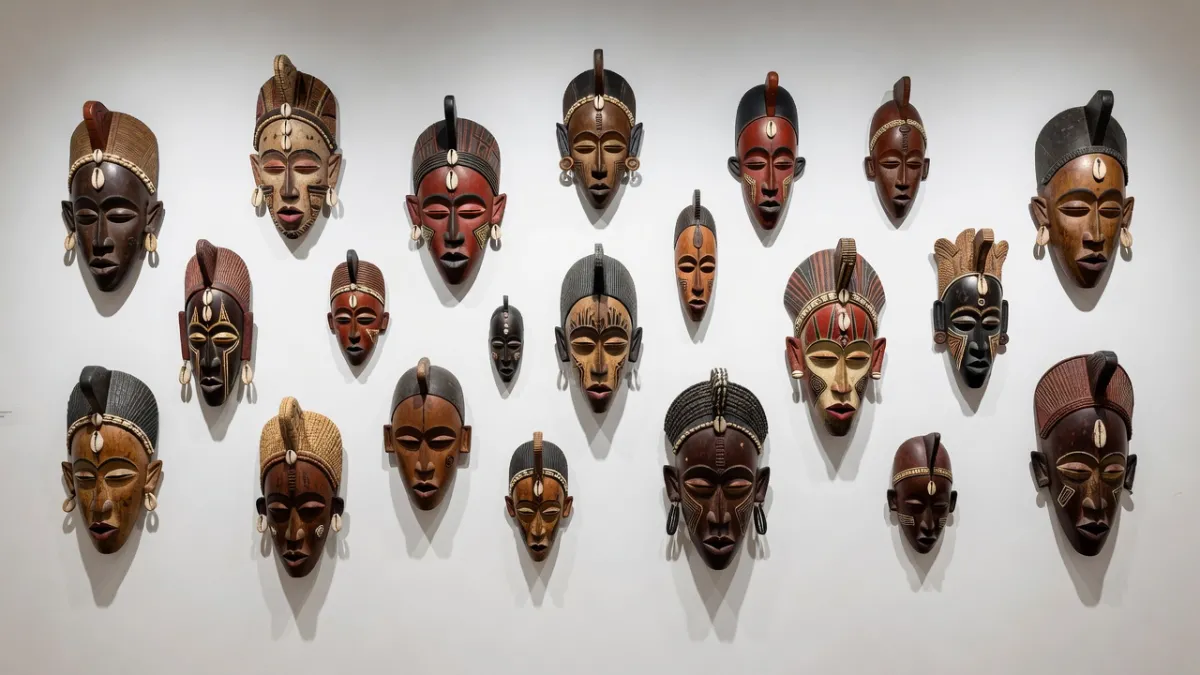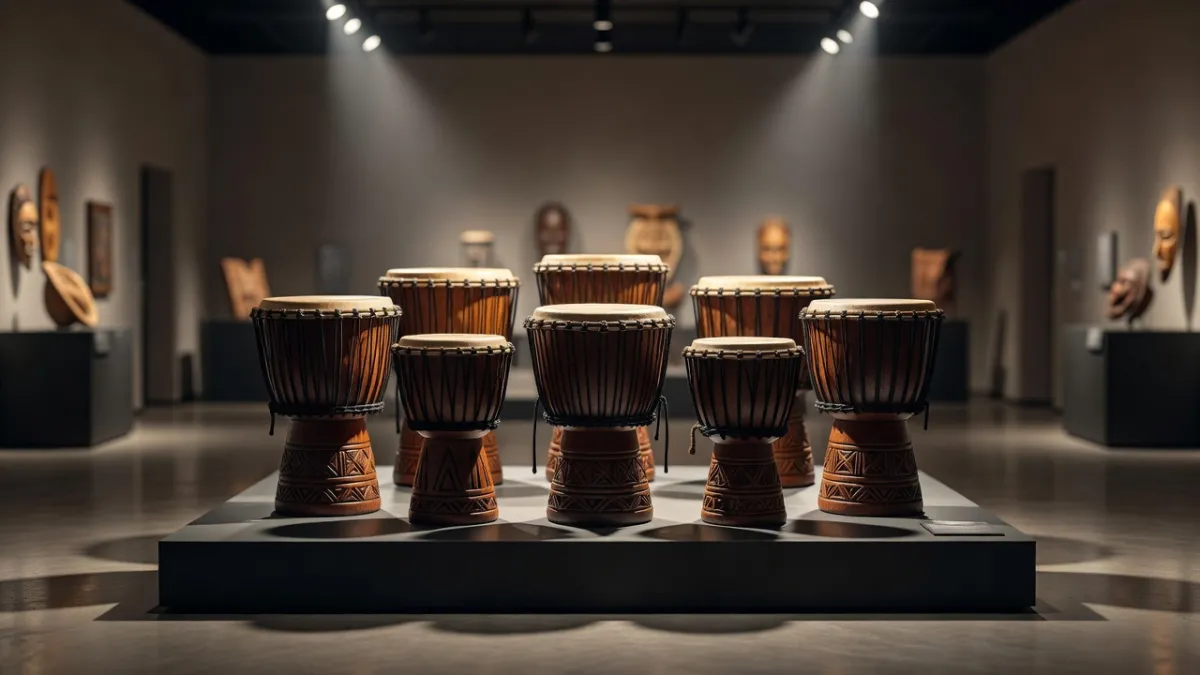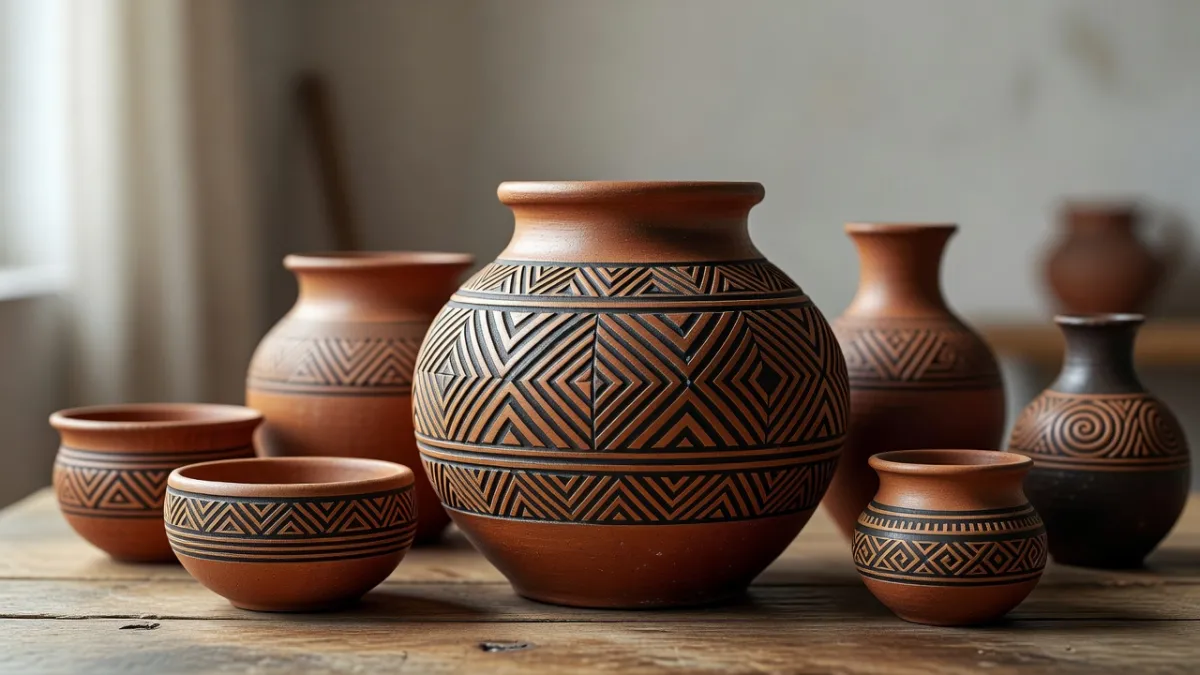
Introduction to African Fashion Cultural Evolution
The story of African fashion cultural evolution is a vibrant tapestry woven with history, identity, and innovation. This journey reflects how clothing has transcended mere utility to become a powerful expression of culture. For fashion enthusiasts, African style lovers, and beauty seekers, understanding this evolution offers deep inspiration. It showcases a legacy that continues to shape global trends.
Key Takeaways
- Discover how African fashion reflects cultural identity and history for style inspiration.
- Learn about traditional garments and their symbolic meanings for authentic looks.
- Explore modern African fashion’s global influence for trendsetting ideas.
- Understand the role of textiles like Ankara in cultural storytelling for unique designs.
- Find ways to incorporate African elements into everyday wear for personal flair.
- Recognize sustainable practices in African fashion for ethical style choices.
- Appreciate the fusion of tradition and innovation for modern beauty looks.
The Roots of African Fashion in Cultural Identity
African fashion cultural evolution begins with the continent’s deep-rooted traditions. Clothing in ancient African societies was never just about protection. It signified status, tribe, and spiritual beliefs. For instance, royal kente cloth from Ghana symbolized wealth and power.
These early styles were crafted with natural materials like bark and animal hides. Colors and patterns carried specific meanings unique to each community. Red often represented life or strength in many cultures. This connection to identity is a treasure for African style lovers.
As an Amazon Associate, I earn from qualifying purchases.
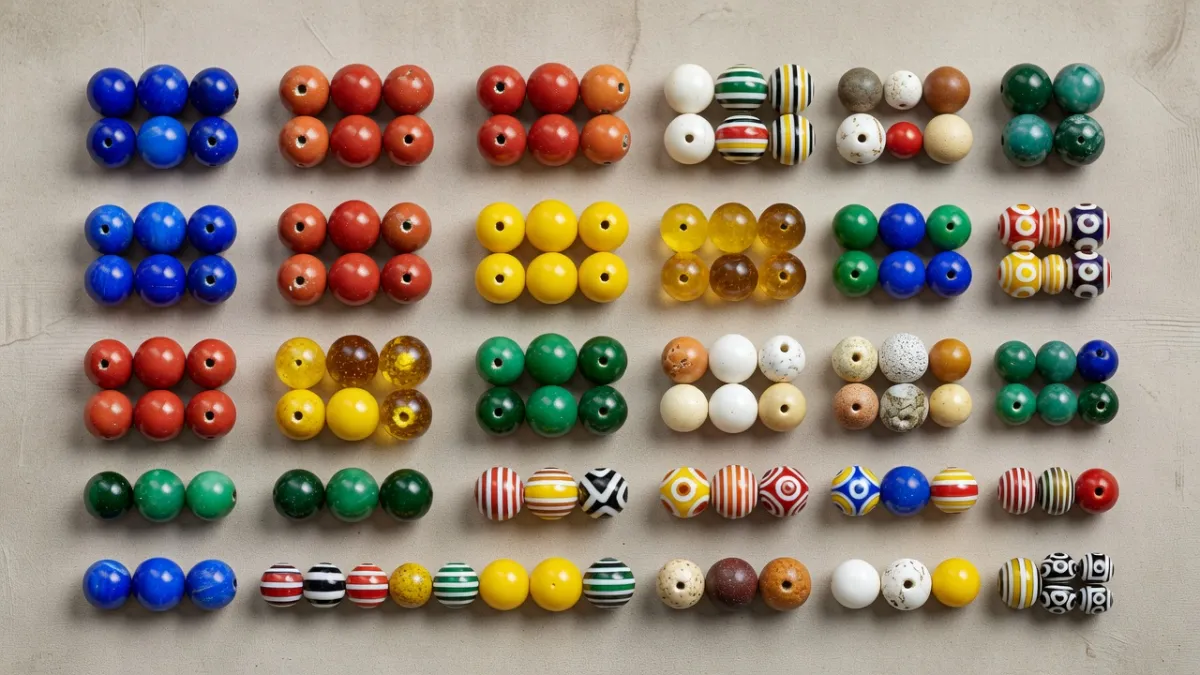
Fashion enthusiasts can draw inspiration from these historical elements. Traditional wear wasn’t just attire; it was a language. Beauty seekers might note how adornments like beads complemented these looks. The cultural depth offers endless creative ideas.
For those eager to explore, traditional garments remain a source of pride. They are often worn during ceremonies and festivals. Understanding their origins enriches appreciation for African aesthetics. Dive into traditional African wear for more insights on timeless styles.
Textiles as Storytellers in African Fashion
Textiles play a starring role in African fashion cultural evolution. Fabrics like Ankara, kente, and mudcloth tell stories of heritage. Each pattern or weave holds historical or social significance. Ankara prints, for example, often depict proverbs or events.
These materials are more than decorative for African style lovers. They are a canvas for cultural expression. Fashion enthusiasts can use such textiles to create bold, meaningful outfits. The vibrant colors speak to individuality and history.
Beauty seekers might pair these fabrics with modern accessories for balance. Imagine a headwrap in Ankara paired with minimalist jewelry. This blend honors tradition while embracing current trends. It’s a perfect fusion for any wardrobe.
Exploring textiles offers a way to connect with African roots. Many designers today preserve these crafts with care. For deeper inspiration, check out modern African style to see evolving trends. Textiles remain a bridge between past and present.
Colonial Impact and Adaptation in African Fashion
The African fashion cultural evolution faced significant shifts during colonial times. European influences introduced tailored silhouettes and new fabrics. Yet, African communities adapted these changes with resilience. They infused foreign styles with local flair.
Colonization often suppressed traditional dress in favor of Western attire. However, Africans reclaimed their identity through subtle rebellion. Mixing Victorian cuts with native prints became a statement. This adaptability inspires fashion enthusiasts today.
For African style lovers, this era shows the power of fusion. It’s a reminder that style can resist oppression. Beauty seekers might explore how makeup evolved alongside fashion then. Colonial impacts reshaped but never erased African essence.
Understanding this history adds depth to modern interpretations. Many designers draw from this adaptive spirit now. Resources like World Health Organization highlight cultural preservation’s importance. This era’s lessons fuel today’s creative expressions.
Modern African Fashion on the Global Stage
Today, African fashion cultural evolution shines brightly worldwide. Designers like Thebe Magugu and Ozwald Boateng gain international acclaim. Their work blends traditional motifs with contemporary cuts. This fusion captivates global audiences.
Fashion enthusiasts find endless inspiration in this modern wave. African prints appear on runways from Paris to New York. Celebrities don Ankara gowns at red-carpet events. The continent’s influence is undeniable and growing.
African style lovers can adopt these trends with ease. A tailored blazer with kente accents makes a bold statement. Beauty seekers can match such looks with natural hair styles. The global stage amplifies African beauty uniquely.
This rise also promotes cultural appreciation over appropriation. Designers educate through their collections and stories. Platforms like AIUM resources support cultural education. Modern African fashion is a celebration for all.
Sustainability and Innovation in African Fashion
Sustainability is a key chapter in African fashion cultural evolution. Many African designers prioritize eco-friendly practices today. They use organic dyes and upcycled materials often. This approach resonates with ethical fashion enthusiasts.
Innovation also drives this green movement across the continent. Designers experiment with biodegradable fabrics for unique creations. Handmade techniques reduce industrial waste significantly. African style lovers can support such mindful brands.
Beauty seekers might appreciate how sustainability extends to cosmetics. Natural ingredients like shea butter dominate African beauty. These products align with eco-conscious values perfectly. They enhance style while protecting the planet.
Supporting sustainable fashion fosters cultural and environmental health. It’s a meaningful choice for today’s consumers. Fashion enthusiasts can lead by choosing ethical pieces. This trend shapes a brighter future for African style.
Frequently Asked Questions
How has African fashion evolved over time?
The African fashion cultural evolution spans centuries, from tribal attire to global trends. Early clothing reflected identity through patterns and materials like bark. Colonial influences introduced Western styles, but Africans adapted with unique blends. Today, designers fuse tradition with modern cuts for international appeal. This journey offers endless inspiration for style lovers. It shows resilience and creativity in every era.
What are the key elements of traditional African fashion?
Traditional African fashion centers on symbolism, color, and craftsmanship. Garments like dashikis and kente cloth signify status or heritage. Bright hues often represent emotions or spiritual beliefs. Accessories like beads enhance cultural meaning in outfits. For enthusiasts, these elements provide authentic style ideas. They connect wearers to a rich historical narrative.
Why is African fashion important to global style trends?
African fashion cultural evolution significantly impacts global style through unique aesthetics. Designers bring vibrant prints and bold silhouettes to runways worldwide. Celebrities and influencers often showcase these designs at major events. This visibility inspires fashion lovers to embrace African elements. It also promotes cultural exchange and appreciation. This field continues to redefine modern trends.
How can I incorporate African fashion into my wardrobe?
Incorporating African styles starts with versatile pieces like Ankara skirts. Pair them with neutral tops for a balanced, everyday look. Accessories like headwraps or bold jewelry add cultural flair easily. Fashion enthusiasts can experiment with patterns for statement outfits. Shop from African designers to ensure authenticity and support. This approach blends tradition with personal style seamlessly.
What role do textiles play in African fashion history?
Textiles are central to the story of African design and heritage. Fabrics like mudcloth and kente narrate community histories through patterns. They symbolize everything from proverbs to social status in societies. For style lovers, these materials offer unique wardrobe additions. Exploring their origins deepens appreciation for cultural roots. They remain vital in modern interpretations today.
Final Thoughts
The African fashion cultural evolution is a testament to the continent’s enduring creativity. From ancient tribal attire to modern runway masterpieces, this journey inspires endlessly. Fashion enthusiasts, African style lovers, and beauty seekers can find countless ways to celebrate this heritage.
Embracing African fashion means honoring history while shaping future trends. Explore more through resources like African beauty and grooming for complementary style tips. Every piece tells a story worth sharing.
Take action by incorporating these elements into personal style. Support African designers and sustainable practices for meaningful impact. This vibrant legacy awaits every wardrobe and heart.