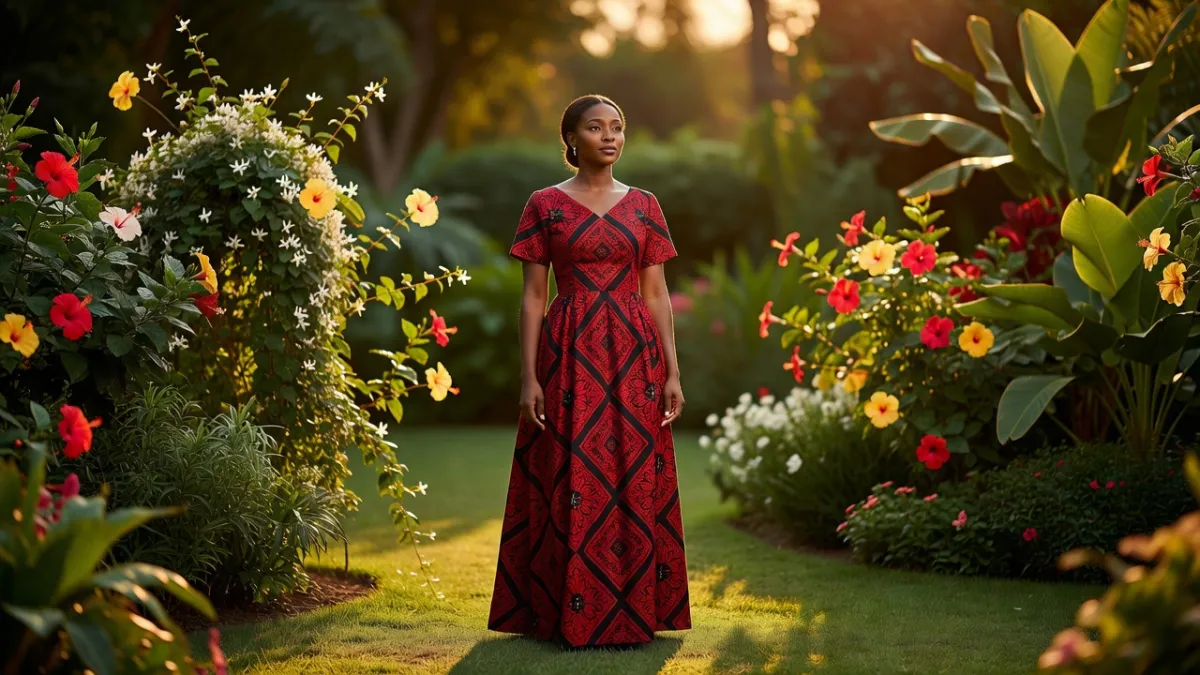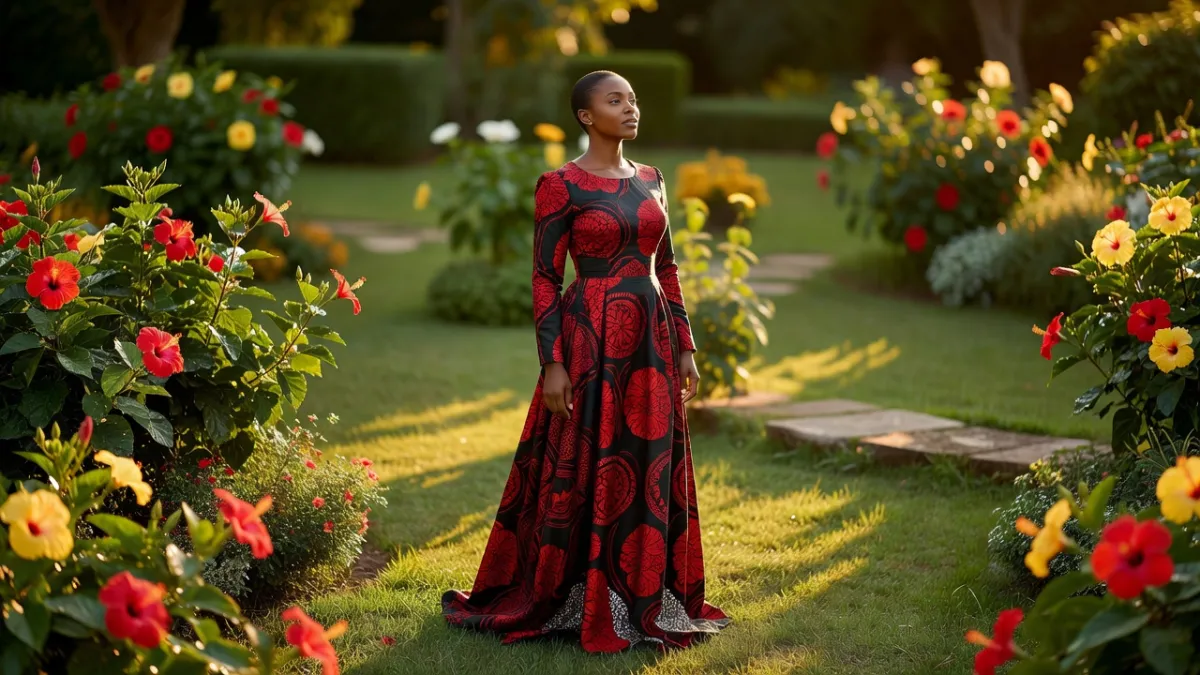
African wax print origins trace back to a rich blend of global influences and local creativity. These vibrant fabrics have become central to African fashion. Fashion enthusiasts often seek to understand their story. African style lovers appreciate the patterns for personal expression. Beauty seekers find ways to incorporate the prints into daily looks.
Key Takeaways
- Learn the historical roots of wax prints from early trade routes.
- Understand production methods used by skilled artisans today.
- Explore cultural meanings behind common patterns and colors.
- Discover practical ways to style prints for modern occasions.
- Find tips on caring for garments to maintain vibrancy.
- See how these fabrics connect to broader African heritage efforts.
- Apply advice to enhance personal style collections effectively.
The History Behind African Wax Print Origins
The story of African wax print origins begins with trade across continents. Dutch and British manufacturers created the fabric in the nineteenth century. They aimed to mimic Indonesian batik designs. African traders then adopted and adapted the material quickly.
Local communities transformed these prints into symbols of identity. Patterns often reflected social status and personal stories. Merchants brought rolls to coastal ports first. From there the fabrics spread inland through markets and families.

As an Amazon Associate, I earn from qualifying purchases.
Over time designs evolved with input from African artists. New motifs emerged that spoke to daily life and traditions. This adaptation made the prints distinctly local. Fashion enthusiasts study these changes for deeper appreciation.
💼 Career Opportunities
Colonial influences mixed with indigenous creativity in unique ways. The result was a textile that felt both familiar and fresh. Beauty seekers today value this layered background. It adds meaning to every garment choice.
How Wax Prints Are Created Today
Modern production starts with cotton fabric selection. Artisans apply wax to specific areas before dyeing. This creates the signature crackle effect in patterns. Multiple color layers build depth and richness.
Factories in Africa now lead much of the output. They use both traditional and updated techniques. Skilled workers ensure high quality in every bolt. African style lovers seek these authentic sources for their wardrobes.
Design teams draw inspiration from nature and history. They consult communities to avoid cultural missteps. This respectful process keeps the art alive. Practical advice includes checking labels for origin details.
Quality varies by producer and material grade. Enthusiasts learn to spot fine details like even wax lines. Such knowledge helps in making informed purchases. The process remains labor intensive despite machines.
Cultural Importance in African Communities
Wax prints carry messages through their motifs and colors. Certain designs mark celebrations or life events. Families pass favorite patterns across generations. This tradition strengthens communal bonds and pride.
In many regions the fabric serves as wearable art. It communicates status without words. African fashion benefits from this storytelling power. Style lovers use it to honor roots while looking current.
Events often feature coordinated outfits in matching prints. This creates visual unity and joy. Beauty seekers pair prints with complementary accessories. The result elevates both appearance and cultural connection.
Preservation efforts focus on teaching young designers. Workshops share techniques and histories. Communities protect designs from mass copying. traditional wear remains a living practice thanks to these steps.
Incorporating Prints into Modern African Fashion
Contemporary designers blend wax prints with tailored cuts. Jackets and dresses gain fresh appeal this way. Fashion enthusiasts experiment with mixing prints and solids. The combinations yield bold yet wearable results.
Accessories like headwraps and bags complete ensembles. These pieces add versatility for daily wear. Beauty seekers match prints to skin tones and makeup. Subtle pairings create harmonious overall looks.
Events call for statement pieces in vibrant hues. Layering allows seasonal adjustments without losing impact. modern African style guides offer further ideas for coordination. Practical care involves gentle washing to preserve colors.
Collections grow when enthusiasts source quality pieces. Markets and online platforms provide options. Knowing origins helps avoid inauthentic copies. This supports ethical production chains in the process.
Global Influence and Preservation Efforts
The reach of these prints extends far beyond Africa. International runways feature them regularly now. Cultural exchange brings new admirers each season. Professionals in this field know that respect for origins matters greatly.
Organizations track heritage textiles for protection. World Health Organization resources highlight how cultural practices aid well being. Similar groups promote sustainable methods in production. This global view benefits local economies directly.
Collectors worldwide seek vintage examples for study. Museums display key pieces to educate visitors. African style lovers gain from this wider recognition. It validates the art form on a broad scale.
Continued innovation keeps the prints relevant. New color palettes attract younger buyers. Preservation balances tradition with fresh ideas. The outcome enriches fashion and beauty landscapes alike.
Frequently Asked Questions
What defines African wax print origins?
African wax print origins stem from nineteenth century trade between Europe and Africa. Dutch producers first created the batik style fabric. African markets quickly embraced and customized the designs. Patterns gained local meanings over generations of use. This evolution created a unique textile tradition still vibrant today.
How do African wax print origins shape current fashion choices?
The origins influence pattern selection and styling decisions among enthusiasts. Historical motifs guide respectful modern interpretations. Fashion enthusiasts choose prints that reflect personal heritage or mood. This connection adds depth to outfits beyond surface beauty. Style lovers often research meanings before buying.
Where can one find authentic examples of these prints?
Authentic versions appear in specialized African markets and trusted online shops. Check for quality cotton and clear wax details. Local artisans sometimes sell directly at fairs or studios. Beauty seekers compare several sources for best matches. This approach ensures garments last and look their best.
What care routines suit garments from these traditions?
Gentle hand washing in cool water protects the dyes best. Avoid harsh chemicals that fade patterns over time. Air drying prevents shrinkage in these cotton pieces. Professionals in this field know that proper storage avoids wrinkles too. These roles benefit from consistent gentle handling.
How do these prints connect to beauty practices?
Prints pair with makeup and hairstyles for complete looks. Color choices complement skin tones and enhance features. Beauty seekers select patterns that flatter personal coloring. This field encourages experimentation with accessories. Positions in this industry value harmonious overall presentation.
Final Thoughts
African wax print origins offer endless inspiration for fashion enthusiasts. African style lovers and beauty seekers gain practical value from understanding their background. The fabrics connect past traditions with present creativity in meaningful ways.
Applying the styling and care tips shared here leads to confident choices. Explore collections that honor these roots while fitting modern lives. modern African style continues to evolve through such appreciation and use.
Start incorporating these prints thoughtfully into wardrobes today. The journey enriches personal style and cultural awareness at once.