For fashion enthusiasts, African style lovers, and beauty seekers, capturing the vibrant essence of African fashion through photography is an art form. Whether you're documenting bold Ankara prints or the elegance of traditional garments, mastering art photography tips and techniques can elevate your visual storytelling. This guide is crafted for those passionate about showcasing the beauty and culture of African aesthetics through a lens. Filed under 'Art & Photography,' this article dives deep into creative methods to help you frame the spirit of African style.
Key Takeaways
- Master lighting to highlight vibrant African fashion textures and colors.
- Use cultural backdrops to add depth and authenticity to your shots.
- Experiment with angles to showcase unique style elements effectively.
- Focus on details like jewelry and fabric for striking close-ups.
- Engage models to reflect the spirit of African beauty naturally.
- Edit with care to maintain the authenticity of cultural tones.
- Practice storytelling through every frame for emotional impact.
Why Art Photography Matters for African Fashion
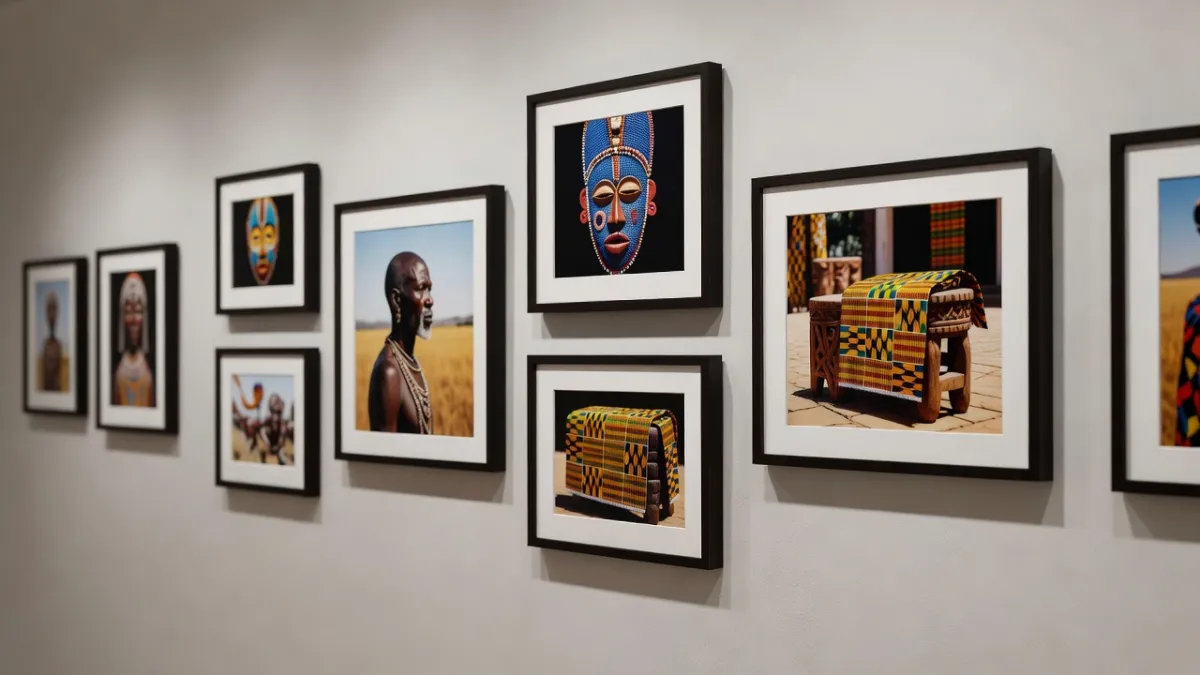
Photography is more than just clicking a button. It’s about preserving the soul of African fashion and culture. For enthusiasts, the vivid patterns of kente cloth or the intricate beadwork of Maasai jewelry deserve to be immortalized with skill. Art photography captures these elements in ways that inspire and educate.
The connection between photography and African style is profound. Each image can tell a story of heritage, creativity, and identity. As a photographer, you’re not just documenting outfits. You’re showcasing a legacy that resonates with beauty seekers globally.
This craft allows you to highlight the diversity of African aesthetics. From the flowing gowns of West African ceremonies to the bold accessories of East African traditions, your lens can bring these to life. Fashion lovers crave visuals that reflect authenticity. Your role is to deliver that through artistic vision.
In practice, art photography bridges the gap between style and emotion. It’s about evoking feelings through a single frame. For African style lovers, this means capturing the pride in wearing cultural attire. Dive into this field to create impactful imagery that speaks to your audience.
💼 Career Opportunities
Essential Gear for Capturing African Style
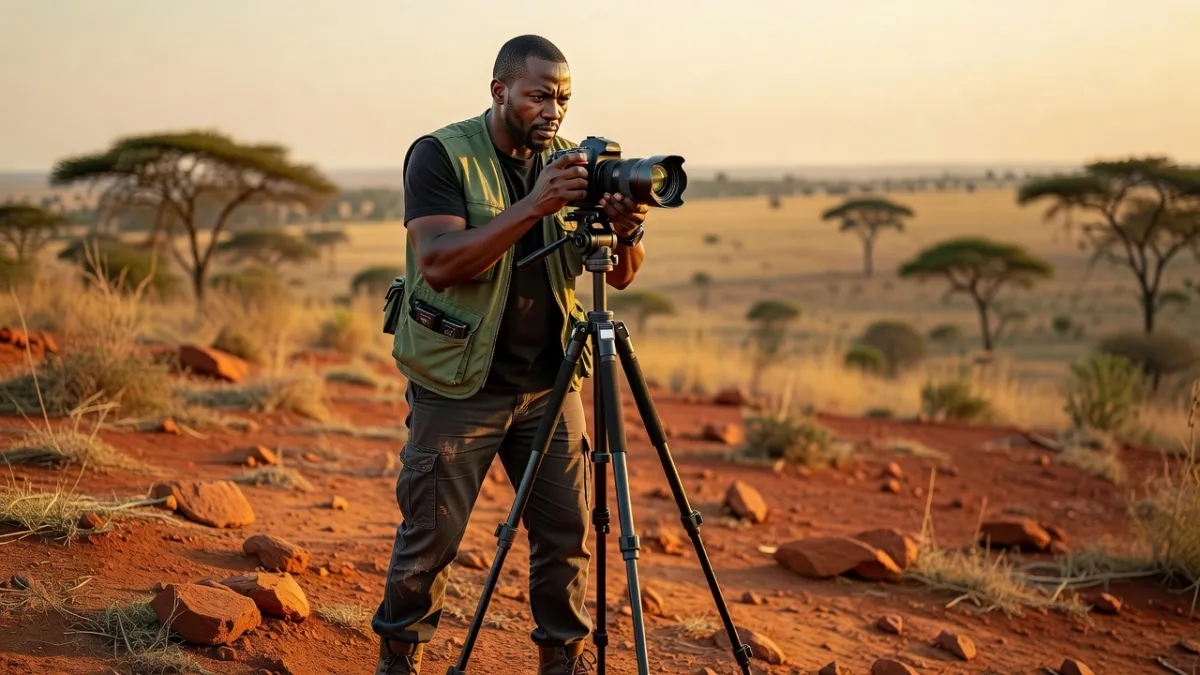
Before diving into art photography tips and techniques, let’s talk gear. A good camera is your starting point. DSLRs or mirrorless cameras with manual settings offer control over exposure and focus. This is vital for shooting vibrant African fashion.
Lenses matter just as much. A 50mm prime lens is great for portraits, capturing models in stunning detail. For wider shots of cultural events or markets, a 24-70mm zoom lens works well. These tools help frame the beauty of African style effectively.
Don’t overlook accessories like tripods and reflectors. Tripods stabilize your shots during long exposures, especially in low-light settings like evening festivals. Reflectors bounce light onto your subject, enhancing the glow of colorful fabrics. These are must-haves for beauty seekers aiming for perfection.
As an Amazon Associate, we earn from qualifying purchases.
Lastly, invest in editing software. Tools like Adobe Lightroom can refine the tones of your images. For African fashion lovers, maintaining the warmth of skin tones and fabric hues is key. Gear up thoughtfully to elevate your photography game.
Mastering Lighting in Art Photography
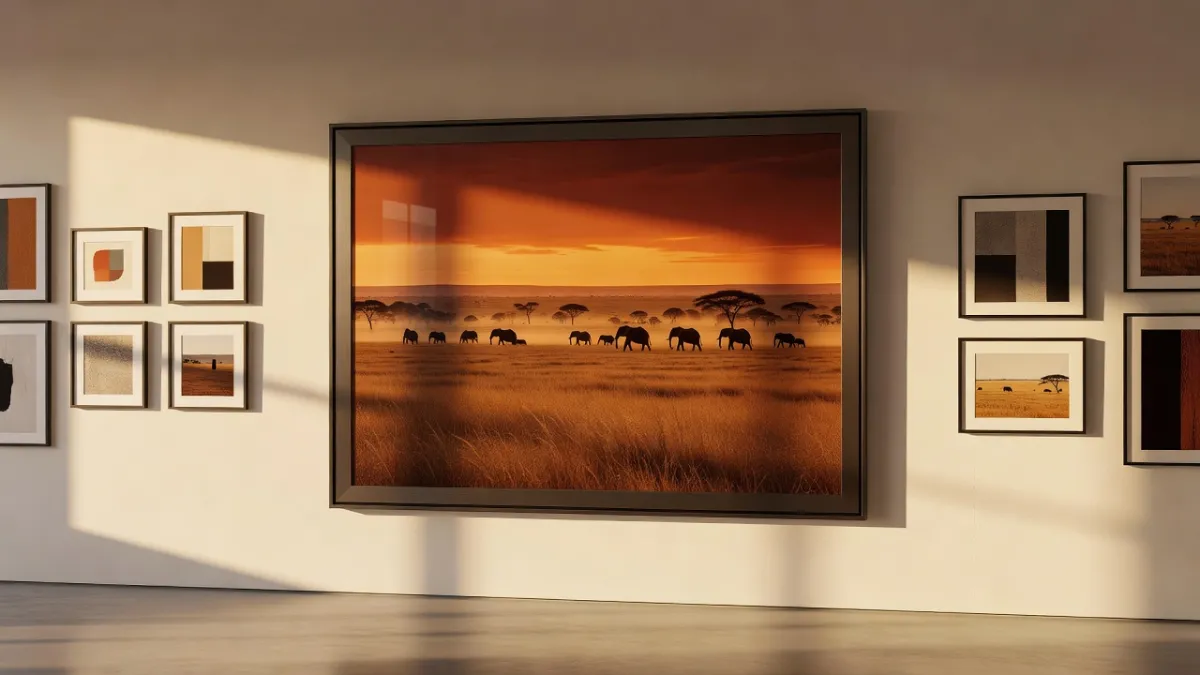
Lighting can make or break your photography. For African fashion, it’s crucial to highlight textures and colors. Natural light, especially during golden hour, casts a warm glow on fabrics. This creates a magical effect for style lovers to admire.

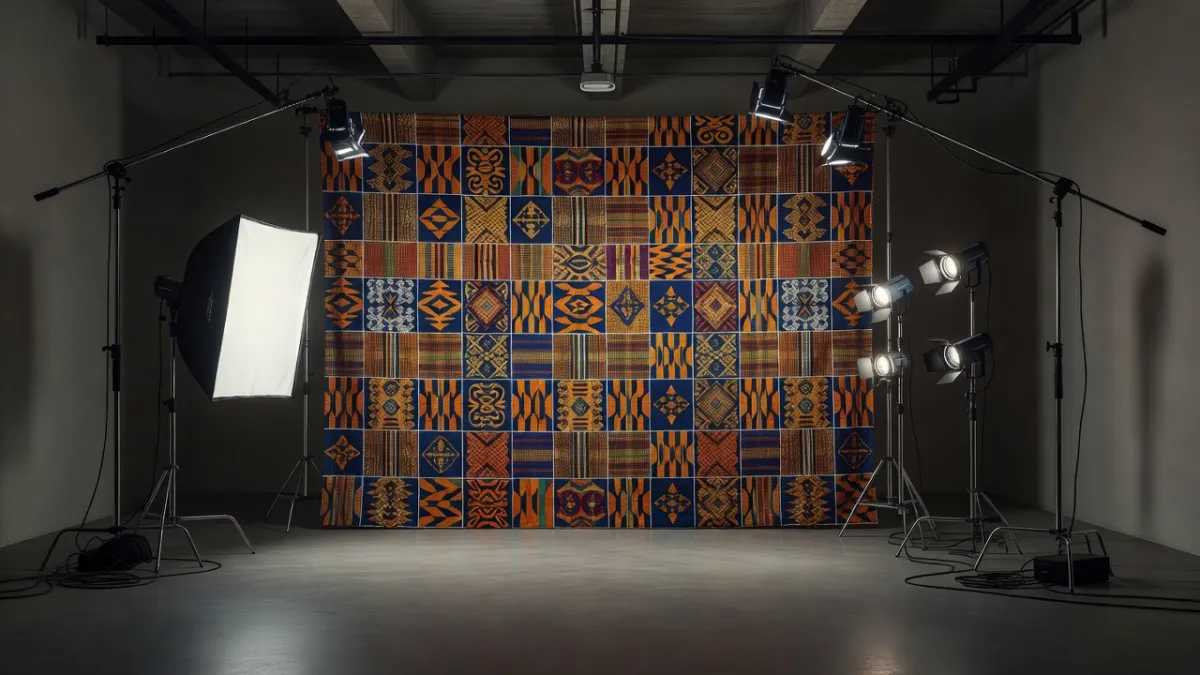
Indoor shoots require strategic lighting too. Use softboxes to mimic natural light without harsh shadows. Position lights at angles to emphasize intricate embroidery or beadwork. This approach ensures the beauty of African garments shines through.
Be mindful of overexposure in bright settings. African landscapes can be dazzling, but too much light washes out details. Use a polarizing filter to manage glare and retain vibrancy. Your audience of fashion enthusiasts will notice the difference.
From experience, experimenting with shadows adds drama. Place your subject near patterned walls or under trees for unique effects. Lighting isn’t just technical—it’s an art. Master it to capture African culture with depth and emotion.
Composition Techniques for Cultural Impact
Composition is at the heart of art photography tips and techniques. It’s how you arrange elements within the frame. For African style, use the rule of thirds to place your subject off-center. This draws attention to their outfit or accessories naturally.
Backgrounds play a huge role too. Shoot against vibrant markets or traditional villages to add context. These settings resonate with African style lovers seeking authenticity. Ensure the backdrop complements, not overshadows, the fashion.
Angles can transform a shot. Experiment with low angles to make models appear powerful in their cultural attire. High angles can capture the flow of a dress beautifully. Play with perspectives to keep beauty seekers engaged.
Lastly, focus on symmetry and patterns. African fashion often features bold, repetitive designs. Frame these elements to create visual harmony. Strong composition tells a story that fashion enthusiasts can’t resist.
Storytelling Through African Fashion Photography
Every photo should tell a story. For African fashion lovers, this means capturing emotion and culture. Think about the narrative behind a traditional wedding outfit. Convey joy or pride through your subject’s expression and pose.
Engage with your models to bring out authenticity. Encourage them to share stories about their attire. This connection translates into genuine emotions on camera. Beauty seekers will feel the depth in your work.
Incorporate cultural events for dynamic storytelling. Photographing festivals or ceremonies offers rich content. Explore more about such occasions at African cultural events. These settings provide a backdrop full of life and color.
Professionals in this field know that details matter. Zoom in on hands adjusting a headwrap or feet in beaded sandals. These small moments speak volumes. Use storytelling to make your photography unforgettable for style enthusiasts.
Editing Tips to Enhance African Beauty
Editing is where your photos come to life. For African fashion, the goal is to preserve natural tones. Avoid over-saturating colors that might distort cultural fabrics. Subtle adjustments can enhance without altering authenticity.
Start with exposure and contrast. Brighten images to showcase vibrant prints, but don’t lose detail. Adjust shadows to reveal texture in darker fabrics. This balance is key for beauty seekers admiring your work.
Use selective editing for emphasis. Highlight a bold necklace or intricate pattern with localized adjustments. Tools like Lightroom allow precise control over specific areas. This technique draws fashion enthusiasts to focal points.
Finally, maintain cultural integrity in edits. Research authentic skin tones and fabric hues. For broader insights on cultural preservation, visit United Nations cultural resources. Also, check economic impacts on fashion at African Development Bank. Editing with care respects the heritage you’re capturing. For authoritative guidance, refer to the NPS and NPS websites.
Frequently Asked Questions
How can I start with art photography for African fashion?
Starting with art photography for African fashion is exciting. Begin with a basic DSLR or even a smartphone with good resolution. Focus on learning manual settings to control light and depth. Practice with friends wearing cultural outfits to build skills.
Research African style elements like patterns and accessories. Visit local markets or events to find inspiration. Connect with models who embody the culture for authentic shots. Build a portfolio to showcase your growing expertise.
Don’t forget to study art photography tips and techniques online. Many free resources offer beginner guides. Join photography groups focused on African aesthetics. Consistent practice will refine your craft over time.
Lastly, share your work on social platforms. Engage with fashion enthusiasts for feedback. This exposure helps you grow. Starting small with passion leads to big results.
What camera is best for capturing African style?
Choosing a camera depends on budget and skill level. Entry-level DSLRs like Canon EOS Rebel or Nikon D3500 are great starters. They offer manual controls for creative freedom. Mirrorless cameras like Sony Alpha series are also excellent.
For African style, prioritize cameras with good color accuracy. Vibrant fabrics need true-to-life representation. Look for models with high dynamic range to handle bright sunlight. This ensures detail in both highlights and shadows.
Lenses are equally important. A 50mm prime lens works well for portraits. Wide-angle lenses capture full outfits or cultural settings. Test different gear to find your fit.
Don’t stress over expensive equipment initially. Skill trumps gear in this field. Many photographers start with basic tools. Upgrade as you master art photography tips and techniques.
How do I choose locations for African fashion shoots?
Choosing locations for African fashion shoots requires thought. Look for places reflecting cultural heritage, like bustling markets or historic sites. These add depth to your images. Natural landscapes like savannas or beaches work too.
Consider the outfit’s origin when picking a spot. A Yoruba agbada might shine in a Nigerian village setting. Urban areas can contrast traditional wear with modernity. This creates striking visuals for style lovers.
Lighting at the location matters as well. Avoid harsh midday sun by shooting early or late. Check for permissions if shooting in public spaces. Safety for you and your team is key.
Engage with local communities for authentic spots. Their input can guide you to hidden gems. A well-chosen location elevates every frame. It’s a core part of this craft.
What are common mistakes in photographing African beauty?
Photographing African beauty comes with pitfalls to avoid. One mistake is poor lighting that flattens vibrant skin tones. Always use soft, natural light to enhance warmth. Harsh flashes can ruin the natural glow.
Another error is ignoring cultural context. Dressing models in mismatched or inauthentic attire looks forced. Research the significance of garments and accessories. Respecting heritage is crucial for genuine imagery.
Over-editing is a frequent misstep too. Heavy filters can distort colors of traditional fabrics. Keep edits minimal to preserve authenticity. Beauty seekers notice when images feel unnatural.
Lastly, failing to connect with subjects harms shots. Models should feel comfortable to express culture. Build rapport before shooting for real emotions. Avoiding these errors improves your work in this industry.
How can I improve my editing for cultural fashion photos?
Improving editing for cultural fashion photos takes practice. Start by learning software like Lightroom or Photoshop. Focus on subtle adjustments to exposure and contrast. This enhances without overpowering the original image.
Pay attention to color balance for accurate skin tones. African fashion often features warm, rich hues. Avoid over-saturating, as it distorts authenticity. Test edits on small batches before full projects.
Study tutorials specific to cultural photography. Many online resources offer tips for preserving heritage in edits. Join forums to learn from experienced editors. Their feedback can refine your approach.
Use presets as a starting point, not a crutch. Customize them to suit each photo’s mood. Experiment with selective edits for details like jewelry. Mastering these skills elevates your work in this area.
Final Thoughts
Mastering art photography tips and techniques opens a world of creativity for African fashion lovers. From lighting to composition, each element helps you capture the essence of style and culture. These skills empower you to create visuals that resonate with beauty seekers.
Start small, experiment often, and connect with your subjects. Your journey in this craft can inspire others to appreciate African aesthetics. Dive deeper into cultural narratives by exploring Diaspora stories in fashion.
Ultimately, your lens is a tool for storytelling. Use it to celebrate the vibrancy of African fashion. Share your work, seek feedback, and keep growing as an artist.