For fashion enthusiasts, African style lovers, and beauty seekers, the concept of diaspora stories through style offers a vibrant lens into identity and heritage. Across the globe, African diaspora communities weave their histories into every stitch, pattern, and accessory. This article dives into how style becomes a powerful storytelling medium. It reflects resilience, creativity, and cultural pride for millions.
Key Takeaways
- Style in the African diaspora showcases personal and collective histories through bold patterns and designs.
- Fashion serves as a bridge connecting African roots with global influences for diaspora communities.
- Traditional garments like Ankara and Kente carry deep cultural meanings in modern contexts.
- Beauty routines in the diaspora often blend ancestral practices with contemporary trends.
- Supporting African designers helps preserve and promote diaspora narratives through clothing.
- Explore local and online events to engage with diaspora fashion stories firsthand.
- Use accessories to express your unique connection to African heritage and style.
Why Style Tells Diaspora Stories
Style is more than just clothing for African diaspora communities. It’s a living archive of history, struggle, and triumph. From the vibrant Ankara prints to the intricate beadwork of Maasai jewelry, every piece holds a story. For fashion enthusiasts, these elements are not just trends but symbols of belonging.
Across the United States, Europe, and beyond, Africans in the diaspora use style to assert their identity. A dashiki worn at a family gathering speaks of pride in one’s roots. It connects wearers to ancestors who crafted similar garments centuries ago. This act of wearing becomes a quiet rebellion against assimilation.
For African style lovers, diaspora stories through style reveal a dialogue between past and present. Modern designers often remix traditional fabrics into contemporary cuts. This fusion creates a unique aesthetic that resonates with younger generations. It keeps cultural narratives alive in urban settings.
Beauty seekers also find inspiration in these stories. Hair braiding techniques passed down through generations carry tales of resilience. Makeup looks inspired by tribal markings celebrate heritage. Engaging with these practices allows individuals to honor their lineage through personal expression.
💼 Career Opportunities
The Role of Traditional African Fashion
Traditional African fashion plays a central role in diaspora stories through style. Garments like the Kente cloth from Ghana symbolize royalty and achievement. Worn during weddings or graduations, they mark significant life moments. For fashion enthusiasts, these pieces are a source of endless inspiration.
In diaspora communities, wearing traditional attire often sparks conversations about origins. A Nigerian gele headwrap at a cultural festival draws admiration and curiosity. It becomes a teaching moment about craftsmanship and meaning. This exchange strengthens community bonds across borders.
African style lovers notice how these garments adapt to new environments. In colder climates, Kente scarves replace full robes while retaining cultural significance. Designers in the diaspora innovate by blending these fabrics into everyday wear. The result is a seamless integration of heritage into modern life.
As an Amazon Associate, we earn from qualifying purchases.
Beauty seekers can also connect through traditional elements. Adornments like cowrie shell necklaces or gold hoops reflect historical trade routes. They remind us of African ingenuity and artistry. Exploring these accessories offers a tangible link to diaspora stories through style. For more on traditional influences, check out our women’s fashion section.
Modern Interpretations of Diaspora Style
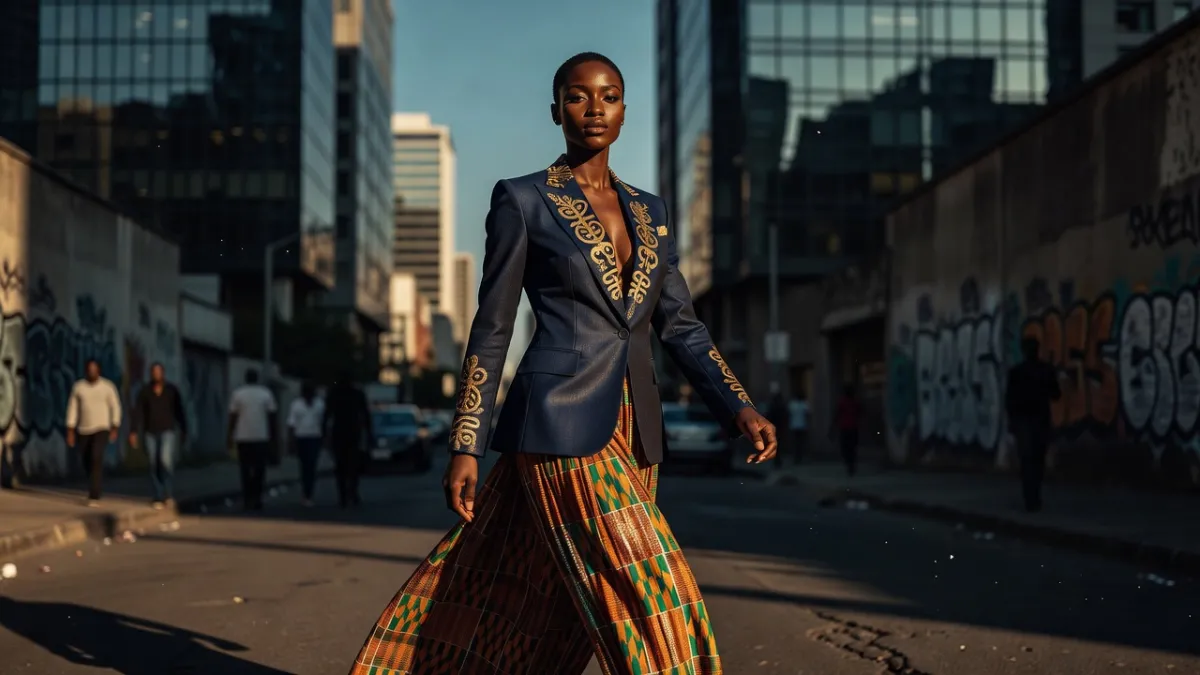
The modern African diaspora reinterprets style with bold creativity. Designers in cities like London and New York fuse African aesthetics with global trends. Think Ankara-patterned streetwear or Kente-inspired sneakers. These looks captivate fashion enthusiasts worldwide.

For African style lovers, this evolution is exciting to witness. Social media platforms amplify these fresh designs, connecting creators with fans. A viral Instagram post of a tailored dashiki suit can inspire thousands. It shows how diaspora stories through style adapt to contemporary tastes.
Beauty seekers also embrace modern twists on traditional looks. Braided hairstyles now incorporate colorful extensions or sleek finishes. Makeup palettes draw from earthy tones of the savanna. These innovations honor heritage while fitting into fast-paced, urban lifestyles.
From experience, I’ve seen how these modern interpretations build bridges. They allow younger generations to engage with their culture on their terms. Events celebrating this fusion are perfect for discovering new talent. Dive into upcoming gatherings in our African events category for inspiration.
Cultural Preservation Through Fashion Choices
Fashion choices in the diaspora are often acts of cultural preservation. Wearing a boubou or agbada during community events keeps traditions visible. It teaches younger members about their heritage. For fashion enthusiasts, this commitment to culture is deeply moving.
African style lovers understand the importance of sourcing authentic pieces. Many turn to markets or online platforms run by African artisans. This not only supports local economies but also ensures genuine storytelling. Resources like the African Development Bank highlight the economic impact of such choices.
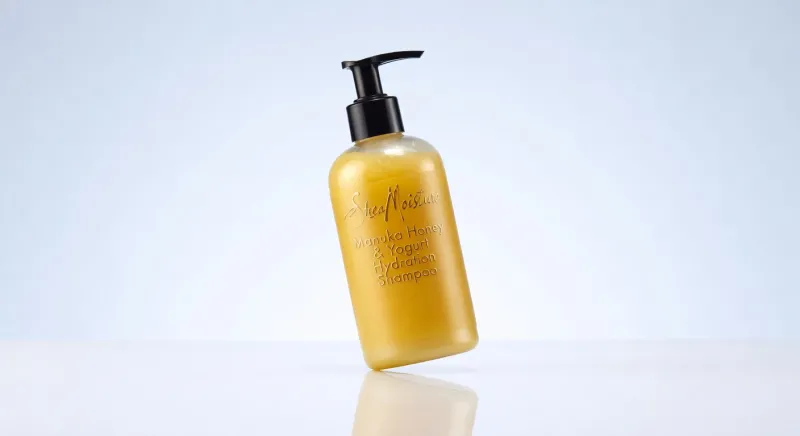
Beauty seekers play a role in preservation too. Using shea butter or black soap ties them to ancestral beauty rituals. These products are often handmade, carrying recipes from generations past. They embody diaspora stories through style in subtle, everyday ways.
In practice, preserving culture through fashion requires intentionality. It means choosing quality over fast fashion imitations. It’s about asking where a fabric comes from and who made it. This mindful approach strengthens diaspora narratives for future generations.
Challenges in Expressing Diaspora Style
Expressing diaspora stories through style isn’t always easy. Many in the African diaspora face stereotypes about their traditional attire. Some worry about being seen as ‘too ethnic’ in professional spaces. This tension frustrates fashion enthusiasts who value authenticity.
For African style lovers, cultural appropriation poses another challenge. Non-African designers sometimes profit from African motifs without credit. This dilutes the meaning behind sacred patterns. It’s a reminder to support authentic creators who live these stories.
Beauty seekers also navigate hurdles in embracing their heritage. Finding products for textured hair or melanin-rich skin can be tough in some regions. Misrepresentation in mainstream beauty standards adds to the struggle. Yet, communities persist in celebrating their unique aesthetics.
Organizations like the United Nations often discuss cultural identity challenges. Their insights show how global awareness can help. By sharing diaspora stories through style, we combat erasure. Together, we build spaces where African fashion and beauty thrive.
How to Engage with Diaspora Fashion Narratives
Engaging with diaspora stories through style starts with curiosity. Attend cultural festivals or exhibitions showcasing African fashion. These spaces offer firsthand insight into the stories behind the designs. Fashion enthusiasts will find endless inspiration here.
African style lovers can also follow diaspora designers on social media. Platforms like Instagram highlight emerging talent from the continent and beyond. Commenting and sharing their work amplifies their reach. It’s a simple way to support authentic voices.
Beauty seekers should explore products rooted in African traditions. Look for brands using natural ingredients like baobab oil. Experiment with hairstyles or makeup inspired by diaspora aesthetics. These small acts connect you to a larger cultural narrative.
From experience, building a wardrobe with diaspora influences takes time. Start with one statement piece, like a printed scarf. Pair it with everyday outfits to make it approachable. Over time, your style will reflect a deeper connection to these powerful stories. For authoritative guidance, refer to the NPS and NPS websites.
Frequently Asked Questions
How can I incorporate diaspora stories through style into my wardrobe?
For those eager to reflect diaspora stories through style, start with versatile pieces. Invest in a classic Ankara skirt or a Kente-inspired top that pairs well with basics. Accessories like beaded earrings or a bold headwrap can elevate any outfit. Visit local African markets or trusted online stores for authentic items. Engage with designers who share the cultural significance of their work. This ensures your choices honor the heritage behind the fashion.
What are some iconic African fashion pieces for diaspora expression?
Iconic pieces tied to diaspora stories through style include the dashiki, a colorful tunic with deep roots. Kente cloth from Ghana is another staple, often worn during celebrations. Nigerian aso-oke fabric shines at weddings with its intricate weaves. Headwraps, or geles, add elegance while showcasing heritage. Explore these items to connect with cultural narratives. They’re perfect for events or everyday wear with a modern twist.
Where can I find authentic African fashion in the diaspora?
Finding authentic African fashion starts with community markets in diaspora hubs. Cities with large African populations often host vendors with genuine pieces. Online platforms run by African artisans are also excellent resources. Look for reviews to ensure quality and authenticity. Social media pages of diaspora designers often link to their shops. Supporting these sources preserves the true essence of cultural style.
How does beauty tie into African diaspora narratives?
Beauty is a vital part of African diaspora narratives through personal expression. Braided hairstyles like cornrows carry stories of resilience and community. Natural products like shea butter link to ancestral care rituals. Makeup inspired by tribal art celebrates historical aesthetics. Engaging with these practices honors cultural roots. It’s a powerful way to reflect heritage daily.
Why is supporting African designers important for diaspora culture?
Supporting African designers is crucial for preserving cultural narratives. Their work keeps traditional craftsmanship alive in modern contexts. It also boosts local economies and counters cultural appropriation. When you buy from them, you invest in authentic storytelling. This act strengthens community ties across borders. It ensures these vibrant expressions endure for future generations.
Final Thoughts
Diaspora stories through style offer a profound way to connect with African heritage. From traditional garments to modern interpretations, fashion and beauty serve as bridges across generations. They remind us of the resilience and creativity embedded in every design.
For fashion enthusiasts, African style lovers, and beauty seekers, engaging with these narratives is an act of celebration. Start small by incorporating a cultural piece into your wardrobe or routine. Explore more inspiring stories in our diaspora stories section for deeper insights.
Let’s keep these conversations alive by supporting authentic creators. Share your own style journey and inspire others to do the same. Together, we can ensure that African diaspora stories continue to shine through every bold pattern and accessory.