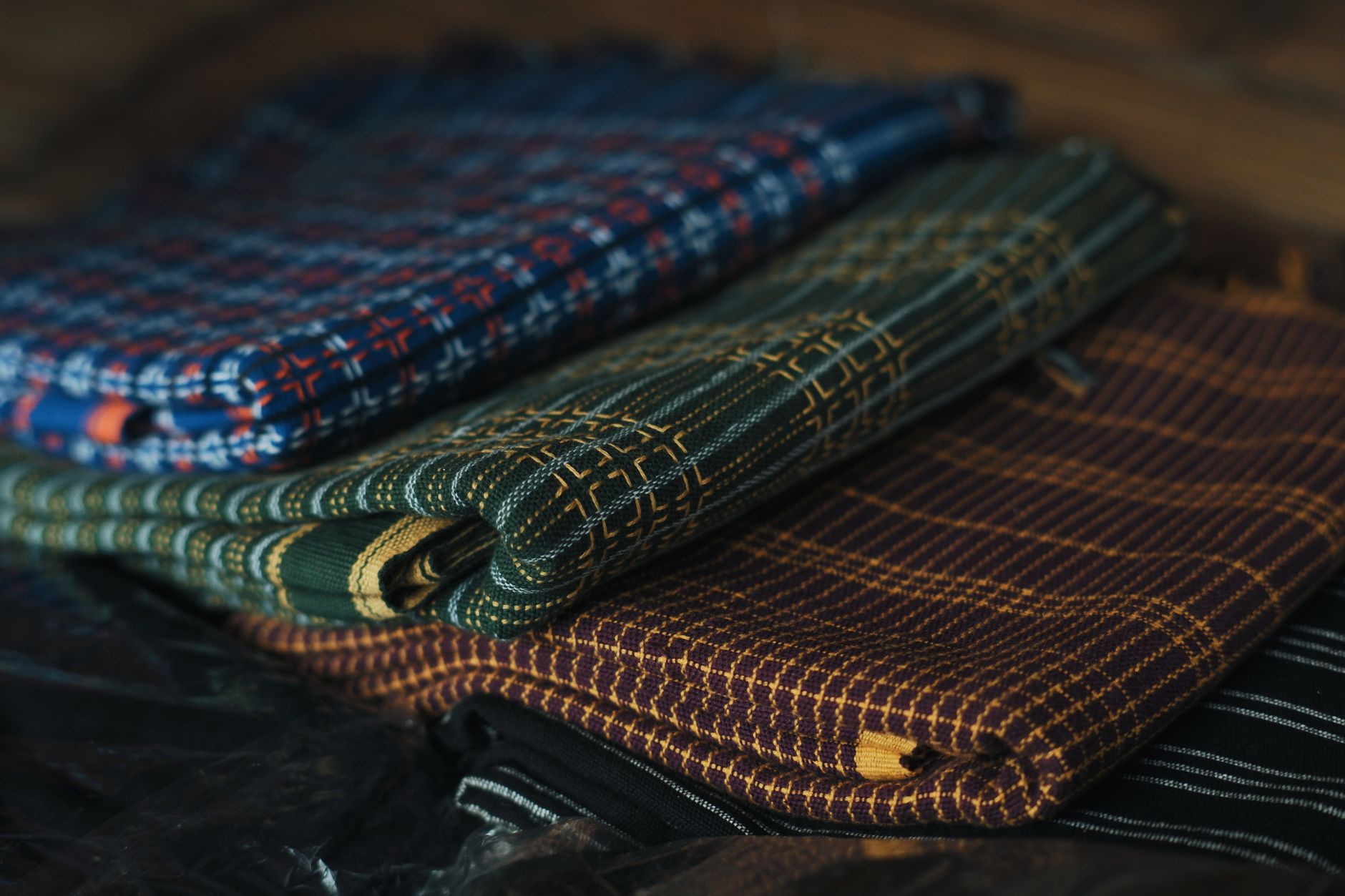
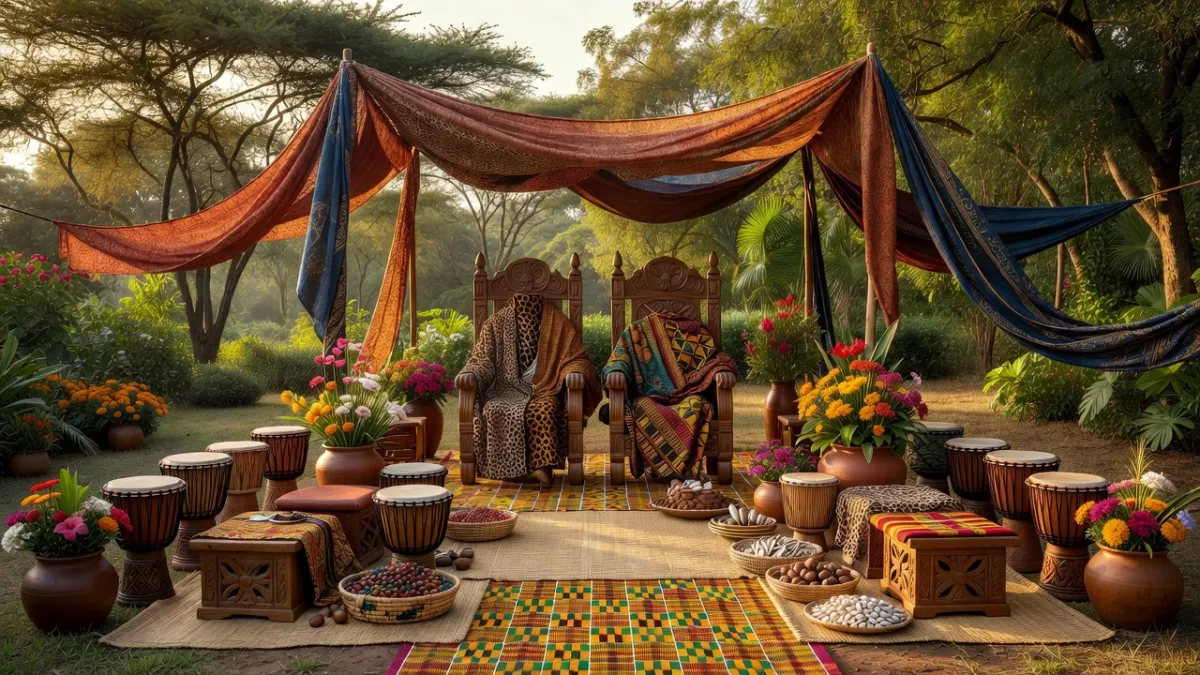
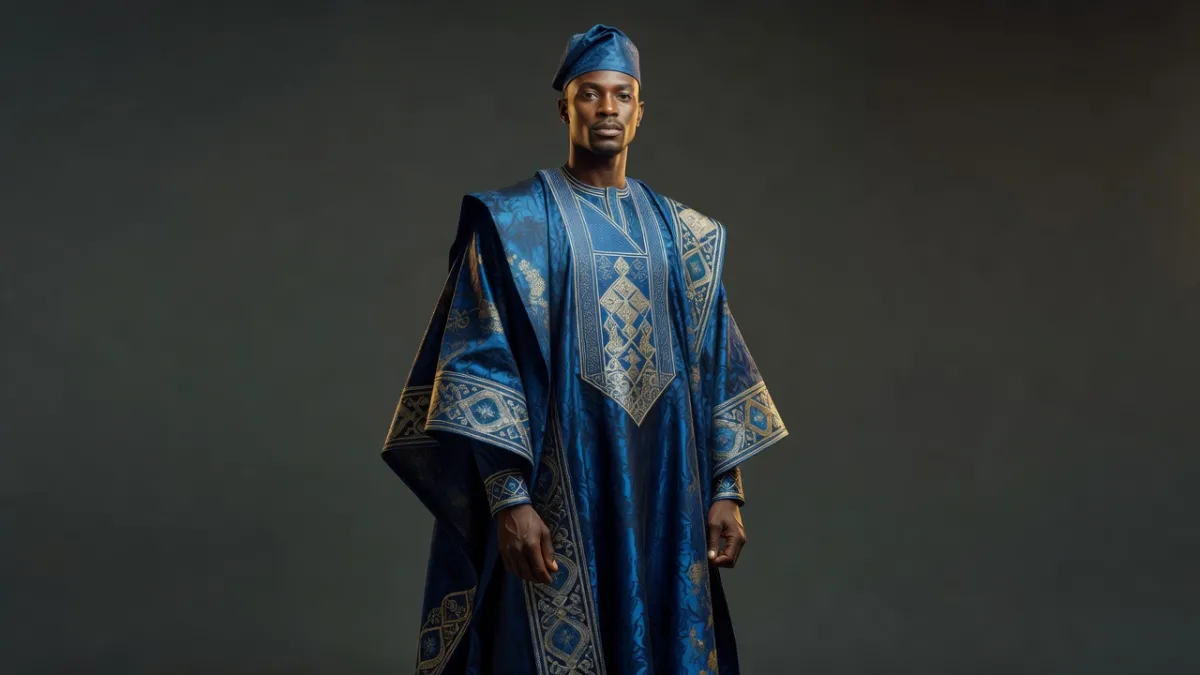
Long before a single word of negotiation is spoken at a lobola ceremony, the clothes do the talking. Every sash tied, every head covered or deliberately left bare, every colour chosen by the bride's mother or the groom's lead delegate communicates standing, intention, and respect — or their absence. For anyone working in fashion or styling with Southern African clientele, understanding this dress logic is not optional decoration. It is the difference between an outfit that honours a family and one that quietly insults them.
What Lobola Is and Why Dress Is Inseparable From It
Lobola, also spelled lobolo, is a bride wealth practice common across Southern African cultures including Zulu, Xhosa, Ndebele, Sotho, and Tswana societies, in which the groom's family presents gifts or cattle to the bride's family before marriage. It is a structured negotiation between two family delegations, conducted according to protocols that vary by ethnicity, region, and even urban versus rural setting. Dress is not a backdrop to this process — it is part of the protocol itself. Garments signal who holds authority to speak, who is transitioning status, and who is demonstrating deference.
Getting dress wrong at lobola carries genuine social weight. A bride who appears too casually dressed signals that her family does not value the process. A groom's delegation that arrives in mismatched or inappropriate attire can be read as disrespect before negotiations begin. These are not minor faux pas — in many communities they are grounds for the proceedings to stall or for elders to formally raise the matter.
As an Amazon Associate, I earn from qualifying purchases.
The Bride's Dress Logic: Modesty, Transition, and Concealment
The Principle of Deliberate Withdrawal
One of the most misunderstood aspects of lobola dress is that the bride is frequently not the most visibly dressed person in the room — and this is intentional. In many Zulu and Xhosa traditions, the bride remains largely out of sight during the initial negotiation phases. When she does appear, her presentation is governed by strict codes of modesty and deference. She is not yet a wife; she is a daughter being honoured and, by degrees, released. Her clothing must reflect that liminal status.
💼 Career Opportunities
Head Covering and What It Communicates
Head covering is one of the most loaded elements of a bride's lobola appearance. In Zulu tradition, a young unmarried woman does not cover her head. During lobola proceedings, however, the bride may begin to adopt modest head coverings or wraps as a visual signal of the transition she is entering. In Sotho and Tswana contexts, a wrapped head can indicate respect toward elders in the room — particularly the senior men of the groom's delegation. Leaving the head uncovered when convention demands it covered is read as arrogance or ignorance, regardless of which was intended.
Colour Choices and Family Alignment
The bride's colour palette is often coordinated with her immediate female family members — sisters, aunts, and her mother — to present a unified visual front. This coordination signals family solidarity and organisation, both of which reflect well on the family during negotiations. Clashing or individualised colours among the bride's female relatives can suggest internal disorganisation, which weakens the family's perceived negotiating position. It sounds subtle; experienced elders notice it immediately.
For Ndebele brides, the visual vocabulary extends into beadwork with extraordinary specificity. Beaded aprons, known as ijogolo for married women and isigolwani neck rings for status, have colour and pattern languages that communicate marital and social status with precision. A stylist or designer working with Ndebele clients must understand that these are not decorative choices — they are statements of fact about a woman's position, and wearing pieces above your current status is a serious misrepresentation.
As an Amazon Associate, we earn from qualifying purchases.
The Bride's Mother: The Most Sartorially Powerful Figure in the Room
If the bride's dress is about transition and modesty, the mother of the bride's dress is about authority and welcome. In most Southern African lobola traditions, the bride's mother is the family's primary host and one of its most visible representatives. Her outfit must communicate dignity, welcome, and the value her family places on the occasion.
Traditional Dress as Non-Negotiable Signal
Arriving in Western or casual dress as the bride's mother sends an unambiguous message: either the family does not take the ceremony seriously, or they are disconnected from their cultural roots. Neither reading is advantageous. In Xhosa contexts, the bride's mother is typically expected in full isicholo — the structured hat that signals married womanhood — along with draped blankets or printed wraps appropriate to formal occasions. The isicholo's structured dome shape is not simply aesthetic; it is a visual declaration of her status as a married elder whose blessing over this union carries weight.
In Zulu tradition, senior women of the bride's family often wear imibhaco — a particular style of draped cloth — along with beaded accessories that have been in the family for years. Borrowed or cheaply assembled accessories are visible to those who know what to look for, and they undercut the family's presentation in the eyes of knowledgeable elders in the opposing delegation.
The Groom's Delegation: Collective Discipline Over Individual Expression
The Delegation as a Single Visual Unit
The groom's delegation — typically comprising his father or a senior male relative, uncles, brothers, and other appointed family members — must arrive looking cohesive. This is not about matching suits in a Western sense. It is about presenting as a disciplined, unified group that has taken the occasion seriously. Coordinated colour schemes, consistent levels of formality, and appropriate traditional wear for the men involved are expected in most Southern African contexts.
In Zulu practice, men of the delegation often wear amabheshu — the traditional animal-skin front and back covering — with accompanying beadwork and the carrying of sticks, which themselves carry specific symbolic meaning related to elder status and masculine authority. Arriving in this dress signals that the delegation is conducting itself as a traditional family, not merely going through modern motions. Delegations that appear in business suits without any traditional element can be perceived as culturally distanced, depending on the conservatism of the bride's family.
The Groom's Own Dress Position
The groom occupies an interesting sartorial position: he is present but often subordinate to the senior men speaking on his behalf. In many traditions, the groom does not speak at all during the formal negotiations — and his dress reflects this. He should be well-presented and respectful, but not outshining the senior male relatives who carry the family's voice. An overdressed groom who visually dominates his own delegation can be read as a family without proper order, which reflects poorly on his upbringing.
The Groom's Delegation Women: Gifts, Wraps, and the Logic of Covered Hands
Women who accompany the groom's family — his mother, sisters, aunts — carry specific dress responsibilities of their own. The groom's mother, in particular, often brings gifts of fabric or blankets as part of the lobola offering, and how she presents herself is read as a statement of what kind of family her son comes from.
In many traditions, gifts brought by the groom's delegation's women are carried or presented with covered hands — using the edge of a wrap or cloth — as a gesture of humility and respect toward the receiving family. This protocol extends to how women on the groom's side move through the bride's family's space: they do not walk freely without acknowledgment, they greet senior members of the host family before settling, and their dress reinforces rather than competes with the occasion's gravity.
Regional Variations That Change the Rules Entirely
Sotho and Tswana Contexts
In Sotho and Tswana lobola traditions, blankets carry enormous symbolic weight — and not just any blanket. The Basotho blanket in particular has a codified role in ceremonial life, and appearing in one of appropriate quality and pattern at a formal family negotiation signals cultural grounding. The direction a blanket is wrapped, the way it is pinned, and whether it is worn by a man or woman all communicate information to those fluent in the visual language.
Ndebele Formalism
Ndebele lobola dress contexts are among the most visually structured in the region. The Ndebele tradition of elaborate geometric beadwork means that women's accessories at a lobola ceremony are read almost like text — colour sequences in beadwork convey specific meanings related to clan, status, and occasion. A designer or stylist working with Ndebele families on weddings and occasions must treat beadwork consultation as a non-negotiable step, ideally involving a senior female family member who can verify that pieces being worn are accurate to the wearer's status.
Urban Lobola and the Negotiation of Modernity
In Johannesburg, Cape Town, Nairobi, and diaspora communities across the world, lobola ceremonies happen in living rooms and hired venues rather than homesteads. The dress expectations have evolved accordingly — but they have not dissolved. What has emerged is a negotiated hybridity: contemporary silhouettes in traditional fabrics, coordinated family looks that honour cultural colour languages without requiring full traditional regalia, and Western formalwear layered with specific traditional accessories that carry the symbolic load.
What remains constant is the underlying logic: the clothes must demonstrate that everyone present has taken the occasion seriously and has dressed with intentionality. A deliberately assembled modern-traditional look reads very differently from an outfit that simply happened to be on hand. Experienced families can tell the difference, and that reading affects the tone of proceedings before a word is spoken.
Practical Implications for Designers and Stylists
If you are styling clients for lobola-adjacent events, several principles apply regardless of the specific ethnic tradition involved. First, always establish the hosting family's cultural background and level of traditionalism before making any garment recommendations. Second, treat beadwork, head coverings, and wrapping methods as functional communication — never purely decorative. Third, coordinate the women on each side as visual units, not as individuals. Fourth, ensure that the bride's styling reflects transitional status: not a party look, not invisible, but visibly in-between.
Finally, respect that some garment choices are not yours to make. A senior family member may insist on a specific wrap, a particular colour, or a piece of inherited beadwork that overrides any aesthetic preference you might have. In this context, your role is to support a culturally legible outcome, not to assert a design vision. The ceremony's dress logic has been refined over generations; your contribution is to execute it well, not to rewrite it.
Understanding lobola dress at this level of specificity is not just cultural literacy — it is professional competency for any designer or stylist working seriously with Southern African clients. The garments are doing skilled, essential work. The practitioner's job is to understand that work and honour it.
Sources
Every factual claim in this article was independently verified against the following sources:
- Bride price — en.wikipedia.org