Introduction to East African Fashion Trends
For fashion enthusiasts, African style lovers, and beauty seekers, the allure of East African fashion trends is undeniable. This region, encompassing countries like Kenya, Tanzania, Uganda, and Ethiopia, offers a rich tapestry of cultural expressions through clothing and style. From vibrant prints to intricate beadwork, these trends reflect a deep connection to heritage and identity. This article dives into the essence of East African style, filed under Lifestyle, as it shapes daily life and personal expression.
Key Takeaways
- East African fashion trends blend tradition with modern influences for unique looks.
- Kitenge and Kanga fabrics are staples for vibrant, cultural outfits.
- Beadwork and accessories play a key role in personal style.
- Modern designers are redefining East African aesthetics globally.
- Beauty routines often complement fashion with natural, bold looks.
- Sustainability is becoming a focus in regional fashion practices.
- Explore local markets for authentic pieces and inspiration.
The Cultural Roots of East African Fashion Trends
East African fashion trends are deeply rooted in the region’s diverse cultures. Each country and community brings its own flair to clothing, reflecting history and social values. For instance, the Maasai of Kenya and Tanzania are known for their striking red shukas and elaborate beadwork. These elements are not just decorative but carry significant cultural meaning.
Similarly, in Ethiopia, the traditional habesha kemis showcases elegance with its white cotton fabric and intricate embroidery. This garment is often worn during ceremonies and celebrations. It symbolizes purity and tradition for many Ethiopian women. For African style lovers, understanding these roots adds depth to appreciating the garments.

As an Amazon Associate, I earn from qualifying purchases.
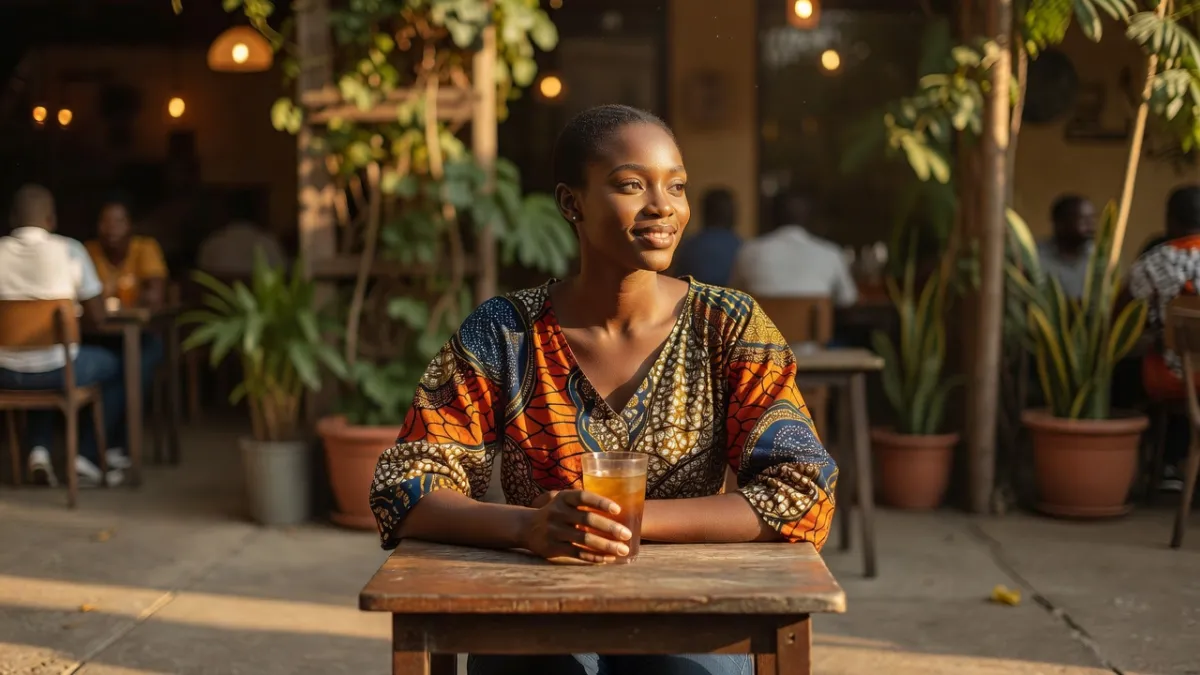
Fabrics like Kitenge and Kanga are central to East African fashion trends. Kitenge, with its bold patterns, is popular across Kenya and Uganda for dresses and skirts. Kanga, often adorned with Swahili proverbs, serves as both clothing and a storytelling medium. These textiles are a canvas for personal and communal narratives.
For fashion enthusiasts, exploring these cultural elements offers endless inspiration. Visiting local markets or connecting with artisans can reveal unique pieces. It’s a way to honor tradition while embracing style. Dive into traditional African wear for more insights on cultural garments.
Modern Influences in East African Fashion Trends
While tradition anchors East African fashion trends, modern influences are reshaping the landscape. Urbanization and globalization have introduced Western cuts and silhouettes into regional designs. Young designers in cities like Nairobi and Dar es Salaam are blending traditional fabrics with contemporary styles. This fusion creates outfits that appeal to a global audience.
For instance, tailored Kitenge blazers and dresses are now common at fashion shows. These pieces cater to African style lovers seeking versatile looks for work or events. Social media platforms also play a role in spreading these trends. Influencers showcase how to style traditional pieces with modern flair.
Beauty seekers will notice how makeup and hair trends complement these fashion shifts. Bold lip colors and natural hairstyles often pair with vibrant outfits. This synergy creates a cohesive look that celebrates both heritage and modernity. It’s a dynamic space for personal expression.
Fashion enthusiasts can explore this evolution through local designers and online platforms. Many East African creators are gaining international recognition for their innovative approaches. Following their work offers fresh ideas for wardrobes. Check out modern African style for the latest updates on contemporary trends.
Fabrics and Patterns Defining East African Style
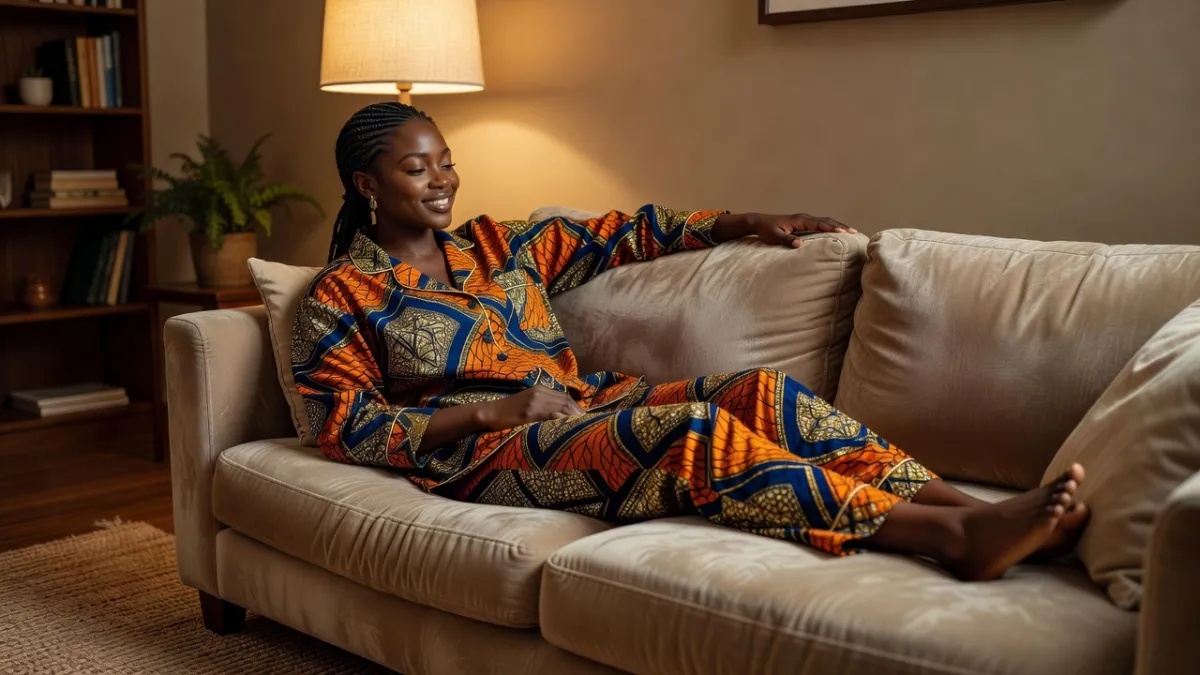
Fabrics are the heartbeat of East African fashion trends, each telling a unique story. Kitenge, with its colorful, wax-printed designs, is a favorite for everyday wear and special occasions. It’s often used for dresses, skirts, and even headwraps. The versatility of this fabric makes it a must-have for style lovers.
Kanga, another iconic textile, is lighter and often features meaningful messages or proverbs. Worn as a wrap or scarf, it’s both functional and symbolic. In Tanzania, women use Kanga to communicate emotions or social commentary. This adds a layer of depth to the fashion choice.
Additionally, Ankara prints, though more associated with West Africa, have made their way into East African wardrobes. Their bold patterns resonate with the region’s love for vibrant aesthetics. For beauty seekers, pairing these fabrics with minimalistic accessories can create a balanced look. It’s all about letting the fabric shine.
Fashion enthusiasts should seek out authentic fabrics from local markets or trusted vendors. Understanding the origin of these materials enhances appreciation. Plus, supporting artisans helps preserve these traditions. Exploring these textiles offers endless styling possibilities for any wardrobe.
Accessories and Beauty in East African Fashion Trends
Accessories are a vital part of East African fashion trends, often stealing the show. Beadwork, especially among the Maasai and Samburu, transforms simple outfits into statement looks. Necklaces, bracelets, and earrings crafted from colorful beads signify status and beauty. These pieces are a treasure for African style lovers.
Headwraps, or gele in some contexts, are another essential accessory. They’re often made from Kitenge or Kanga fabrics, adding height and elegance to an ensemble. Learning to tie a headwrap can elevate any look instantly. It’s a skill worth mastering for special events.
Beauty routines also play a significant role in complementing fashion. Many East African women embrace natural skincare, using products like shea butter for glowing skin. Bold makeup, such as dramatic eyeliner or bright lipsticks, often pairs with vibrant outfits. This harmony is key for a polished appearance.
For beauty seekers, adopting these practices can enhance personal style. Experimenting with beadwork or natural beauty products offers a cultural connection. Fashion enthusiasts can find inspiration in how accessories tell stories. These elements are crucial for a complete East African look.
Sustainability and Future of East African Fashion Trends
Sustainability is gaining traction within East African fashion trends, reflecting a global shift. Many designers are now focusing on eco-friendly practices and ethical sourcing. Handmade garments and natural dyes are becoming more popular. This resonates with fashion enthusiasts who value conscious consumption.
Local markets play a crucial role in sustainable fashion. They offer second-hand clothing, known as mitumba in Kenya, which reduces waste. This practice allows African style lovers to find unique pieces at affordable prices. It’s a win for both style and the environment.
Moreover, organizations are promoting fair trade in textile production. This ensures artisans receive fair wages for their craft. For those passionate about global health and ethics, resources like World Health Organization provide insights on sustainable practices. Such efforts support communities while preserving cultural heritage.
Looking ahead, the future of East African fashion seems bright. Young designers are innovating with technology and sustainable materials. Fashion enthusiasts can support this movement by choosing ethical brands. It’s a way to celebrate style while making a positive impact, as highlighted by platforms like Society of Diagnostic Medical Sonography for community-driven initiatives.
Frequently Asked Questions
What are the latest East African fashion trends to follow?
East African fashion trends currently highlight a mix of tradition and modernity. Kitenge fabrics in tailored cuts like blazers and midi dresses are popular. Headwraps and beaded jewelry remain essential for a cultural touch. Designers are also focusing on sustainable fashion with eco-friendly materials. For fashion enthusiasts, following local designers on social media offers fresh ideas. Exploring markets for unique pieces can also keep your style updated.
How can I style Kitenge fabric for everyday wear?
Kitenge fabric is versatile for daily outfits with its vibrant patterns. Try a Kitenge wrap skirt paired with a simple top for a casual look. A tailored Kitenge shirt can work for semi-formal settings too. Accessories like minimal jewelry keep the focus on the fabric. For African style lovers, experimenting with different cuts is key. Check local tailors for custom fits that suit your vibe.
Where can I buy authentic East African fashion pieces?
Authentic East African fashion is best found in local markets like Maasai Market in Nairobi. Online platforms featuring regional artisans are also great options. Look for vendors selling genuine Kitenge and Kanga fabrics. Supporting small businesses ensures cultural authenticity in your purchases. For beauty seekers, pairing these finds with traditional accessories completes the look. Always verify the seller’s reputation before buying.
What beauty tips complement East African fashion styles?
Beauty routines that match these styles often emphasize natural glow and bold accents. Use shea butter or coconut oil for hydrated, radiant skin. Bold lip colors or dramatic eyeliner can enhance vibrant outfits. Natural hairstyles like braids or afros pair well with cultural garments. Experimenting with minimal yet striking makeup keeps the focus on fashion. African style lovers can find tutorials online for inspiration.
How is sustainability shaping East African fashion today?
Sustainability is becoming central to this field with a focus on ethical practices. Designers are using natural dyes and recycled materials for eco-friendly collections. Markets offer second-hand clothing to reduce waste significantly. Many brands now prioritize fair trade to support artisans. For enthusiasts, choosing such options helps preserve both culture and environment. It’s a meaningful way to engage with regional trends.
Final Thoughts
East African fashion trends offer a captivating blend of heritage and innovation. From the vibrant Kitenge patterns to the intricate Maasai beadwork, these styles tell stories of culture and identity. For fashion enthusiasts and African style lovers, this region provides endless inspiration to explore and embrace.
Beauty seekers can enhance their looks by adopting natural skincare and bold makeup that complement these outfits. Supporting sustainable practices ensures that these traditions thrive for future generations. Dive deeper into evolving aesthetics with resources like African beauty and grooming.
Take action by exploring local markets or following East African designers online. Experiment with fabrics and accessories to create personal, meaningful looks. This journey into style is both a celebration and a connection to a vibrant cultural legacy.