Traditional African garments are more than just clothing; they are a vibrant expression of culture, identity, and history. Across the vast and diverse continent, each region, tribe, and community has developed unique styles that reflect their values, beliefs, and way of life. From the intricate patterns of West African Ankara prints to the regal elegance of East African Kanga fabrics, these garments tell stories of heritage and pride that resonate deeply with African style enthusiasts.
The beauty of African fashion lies in its ability to transcend time and adapt to modern trends while preserving its cultural roots. Fashion experts note that traditional wear is often worn during significant life events such as weddings, funerals, and festivals, serving as a powerful symbol of unity and belonging. This guide aims to educate readers on the diversity of traditional African garments, their cultural meanings, and how they continue to inspire contemporary designs on global runways.
For those eager to embrace or learn more about African fashion, understanding the significance behind these garments offers a deeper appreciation of their aesthetic appeal. Whether it's the bold colors of a Nigerian Gele or the minimalist elegance of a Moroccan Djellaba, each piece carries a narrative worth exploring. Let's dive into the world of traditional African wear and uncover the stories woven into every thread.
- Traditional African garments vary widely across regions, reflecting unique tribal and cultural identities.
- Many outfits are tied to specific occasions, such as ceremonies, rites of passage, and communal celebrations.
- Fabrics like Kente, Ankara, and Mudcloth are often handwoven or printed with symbolic patterns.
- Colors and designs in African wear frequently hold spiritual or social significance.
- Accessories, such as headwraps and beads, complement garments and enhance their cultural meaning.
- Modern African designers often blend traditional elements with contemporary styles for global appeal.
- Understanding the history of these garments fosters respect for African heritage and craftsmanship.
The Diversity of Traditional African Garments
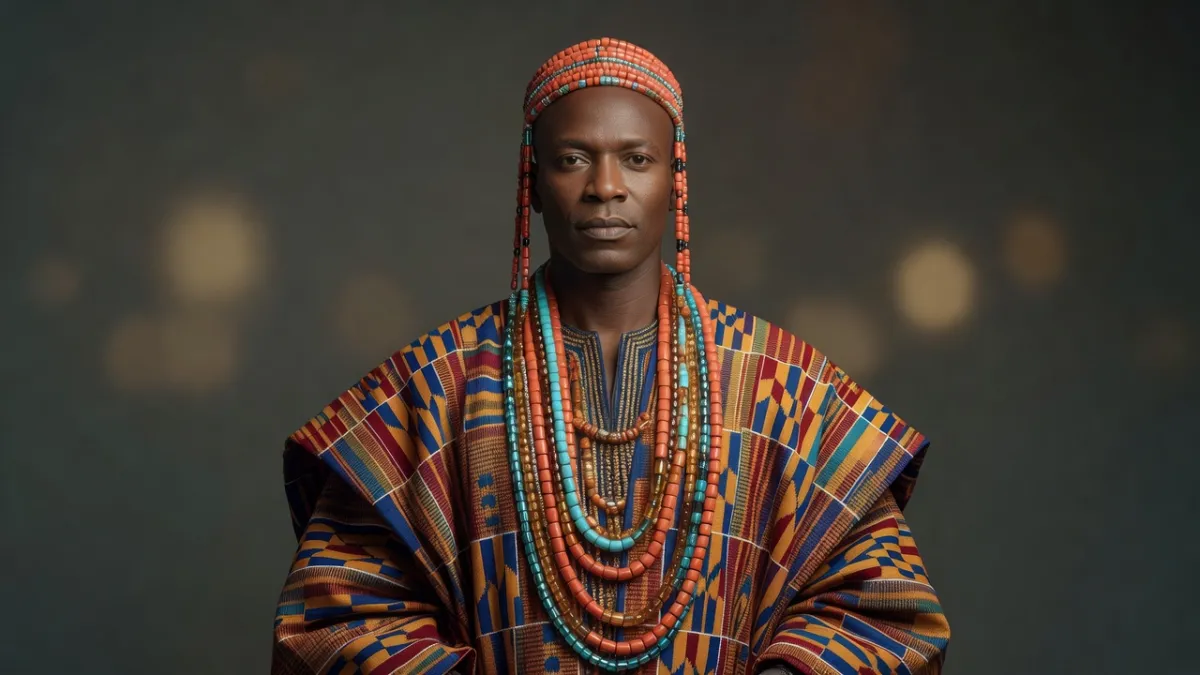
Africa's vast cultural landscape is mirrored in the incredible diversity of its traditional garments. From North to South, East to West, each region boasts distinct styles that are shaped by climate, history, and social structures. In West Africa, for instance, the Yoruba people of Nigeria are renowned for their Aso Oke fabric, a handwoven textile often worn during weddings and other significant events. This fabric, characterized by its intricate patterns, symbolizes prestige and is frequently paired with elaborate headwraps known as Gele, which signify a woman's status and style.
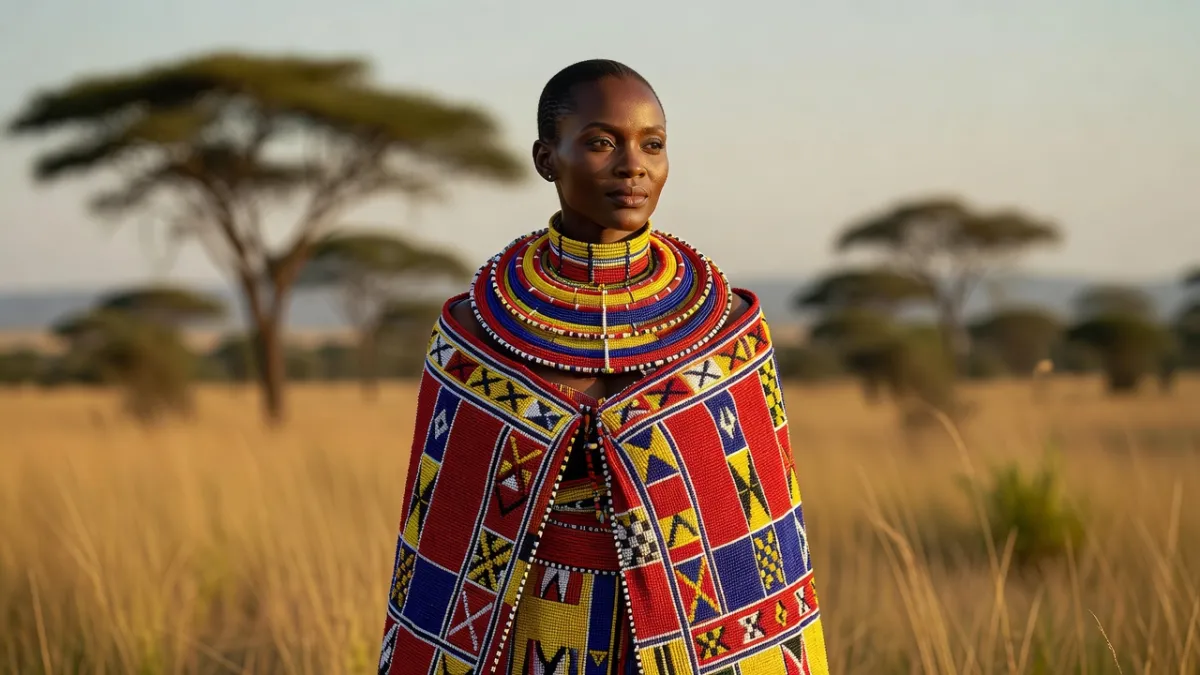
In East Africa, the Maasai of Kenya and Tanzania are recognized for their vibrant Shuka, a red or multicolored cloth draped over the body. This garment not only serves as protection from the elements but also represents courage and strength within the community. Fashion experts note that the Maasai often adorn their Shuka with beaded jewelry, each piece meticulously crafted to convey personal or tribal identity. Meanwhile, in Southern Africa, the Zulu people wear Isicholo, a wide-brimmed hat traditionally made for married women, symbolizing respect and maturity. These examples barely scratch the surface of the continent's sartorial richness, highlighting the importance of regional context in understanding traditional wear.
💼 Career Opportunities
Cultural Significance of African Clothing
Beyond aesthetics, traditional African garments are steeped in cultural significance. Many pieces are designed with specific occasions or roles in mind, acting as visual markers of identity and status. For example, in Ghana, the Kente cloth, with its bold geometric patterns, is often reserved for royalty or important ceremonies. Each color and design within Kente holds a unique meaning—gold represents wealth, green symbolizes growth, and black signifies spiritual strength. African style enthusiasts find that wearing Kente during events like graduations or weddings is a way to honor one's heritage and connect with ancestral roots.
As an Amazon Associate, we earn from qualifying purchases.
In many African societies, clothing also serves as a form of communication. Patterns and motifs can convey messages about a person's marital status, age, or social standing. Among the Akan people of West Africa, Adinkra symbols printed on fabrics are used to express proverbs or philosophical ideas, turning clothing into a canvas of wisdom. Designers recommend studying these symbols to fully appreciate the depth of meaning behind seemingly simple designs. This cultural storytelling through fashion underscores the profound connection between African garments and the lived experiences of the people who wear them.
As an Amazon Associate, we earn from qualifying purchases.
Iconic Traditional Garments Across Africa
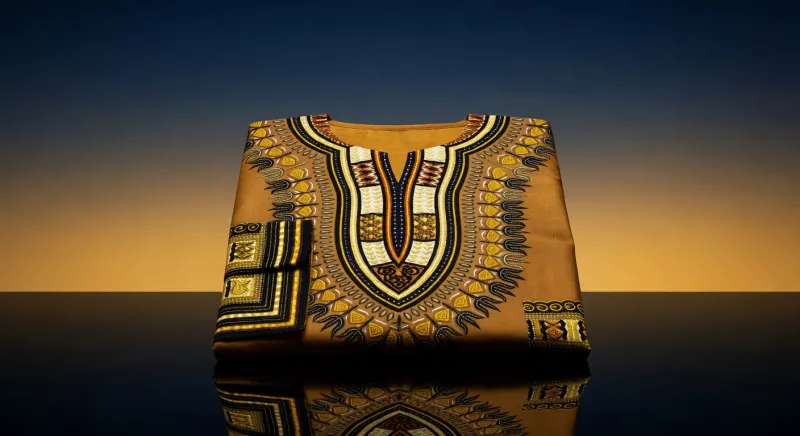
Several traditional African garments have gained iconic status, both within the continent and on the global stage. The Dashiki, originating from West Africa, is one such garment, celebrated for its loose fit and vibrant embroidery around the neckline. Often worn by men and women alike, the Dashiki represents African pride and has been embraced internationally as a symbol of cultural solidarity. Fashion experts note that its versatility allows it to be styled casually or dressed up for formal occasions, making it a staple in many wardrobes.
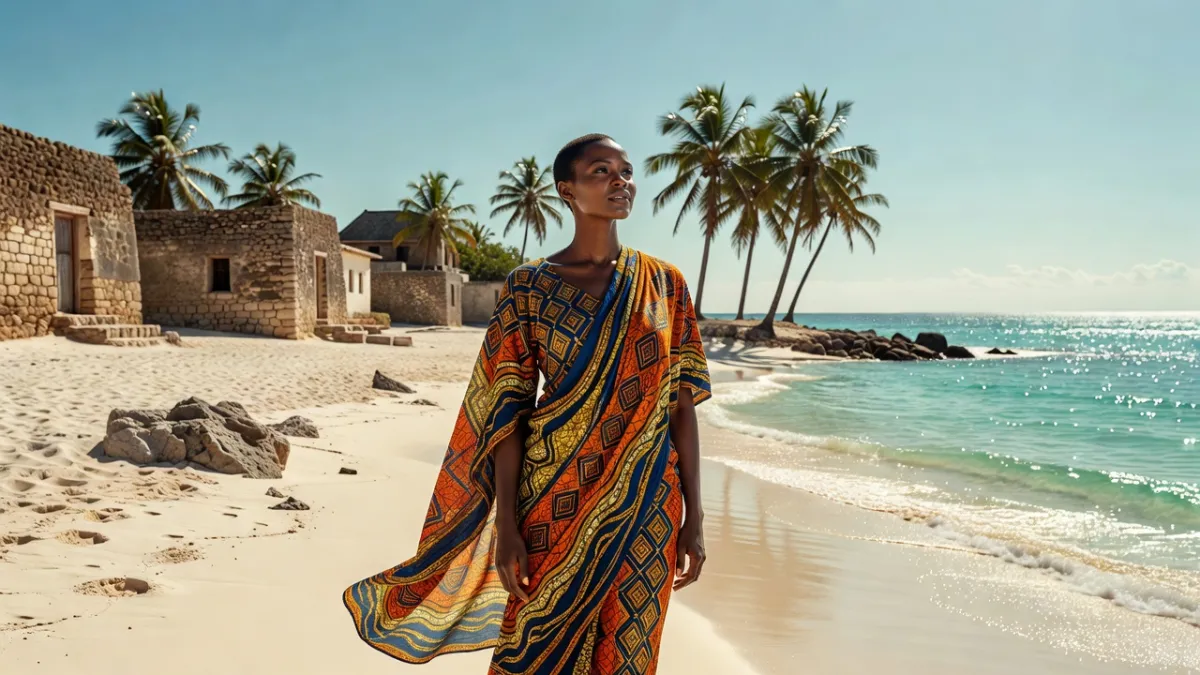
Another iconic piece is the Boubou, a flowing robe popular in West African countries like Senegal and Mali. Typically made from rich fabrics like Bazin, the Boubou is a unisex garment that exudes elegance and is often worn during religious or ceremonial events. In North Africa, the Djellaba, a long, loose-fitting robe with a hood, is a common sight in Morocco and Algeria, offering both practicality and cultural resonance. Meanwhile, the Kanga of East Africa, a colorful rectangular cloth with Swahili proverbs printed along the edges, serves as both clothing and a medium of expression. African style enthusiasts find that these garments, with their deep-rooted histories, continue to inspire modern fashion movements worldwide, as seen in publications like Vogue.
Styling Traditional African Wear in Modern Times
While traditional African garments are deeply tied to cultural practices, they have also found a place in contemporary fashion. Designers recommend blending these pieces with modern elements to create looks that honor heritage while appealing to current trends. For instance, pairing a tailored Ankara blazer with jeans offers a chic, everyday outfit that still celebrates African prints. Similarly, a Kente-inspired scarf can elevate a minimalist dress, adding a pop of color and cultural significance to an otherwise simple ensemble.
Accessories play a crucial role in modern styling of traditional wear. Beaded necklaces, statement earrings, and intricately tied headwraps can transform a basic outfit into a masterpiece of African elegance. African style enthusiasts find that experimenting with these accessories allows for personal expression while paying homage to tradition. For more inspiration on incorporating cultural elements into daily looks, readers can explore the African Fashion category on Afrawear, which showcases a variety of styling tips and trends. Additionally, beauty routines that complement traditional wear can be found in the Beauty & Grooming section, ensuring a cohesive and authentic aesthetic.
How to Choose and Care for Traditional African Garments
Selecting the right traditional African garment involves understanding the occasion, cultural context, and personal style. Designers recommend researching the meaning behind specific fabrics or designs before purchasing, as this ensures respect for their significance. For example, wearing a garment meant for mourning during a celebratory event could be seen as inappropriate. Visiting local markets or trusted online platforms that specialize in authentic African wear is a great way to find pieces that resonate with one's heritage or interests.
Caring for these garments is equally important to preserve their beauty and longevity. Many traditional fabrics, such as handwoven Kente or delicate Mudcloth, require gentle handwashing with mild detergents to avoid damaging intricate patterns. Fashion experts note that storing these pieces in a cool, dry place away from direct sunlight helps maintain their vibrant colors. For those new to African fashion, seeking advice from experienced tailors or cultural experts can provide valuable insights into proper maintenance. Publications like Essence often feature articles on caring for cultural attire, offering practical tips for enthusiasts worldwide. For authoritative guidance, refer to the NPS and NPS websites.
Frequently Asked Questions
What makes traditional African garments unique?
Traditional African garments stand out due to their deep cultural significance and regional diversity. Each piece often reflects the history, values, and identity of a specific community or tribe, using colors, patterns, and symbols to convey meaning. For instance, a fabric's design might indicate social status or a life event like marriage. Fashion experts note that the craftsmanship involved, often handwoven or hand-dyed, adds to their uniqueness. Unlike mass-produced clothing, these garments carry personal and communal stories. Their adaptability to modern fashion further enhances their distinct appeal.
Can non-Africans wear traditional African clothing?
Yes, non-Africans can wear traditional African clothing, provided it is done with respect and understanding of its cultural context. Fashion experts note that appreciation, rather than appropriation, is key—learning about the garment's significance and wearing it appropriately for the occasion is essential. For example, avoiding sacred or ceremonial pieces for casual wear shows cultural sensitivity. African style enthusiasts find that engaging with African communities or designers can provide guidance. This approach fosters cross-cultural exchange and celebrates diversity. Always prioritize authenticity and respect when embracing these styles.
What are some common fabrics used in African traditional wear?
Common fabrics in African traditional wear include Kente, Ankara, Mudcloth, and Bazin, each with unique characteristics and cultural ties. Kente, from Ghana, is known for its vibrant, symbolic patterns often worn by royalty. Ankara, popular in West Africa, features bold prints and is versatile for everyday wear. Mudcloth, or Bogolanfini, from Mali, showcases earthy tones with hand-painted designs representing historical narratives. Bazin, a polished cotton, is favored in West Africa for formal Boubou robes. Designers recommend exploring these fabrics to understand their origins and uses in traditional attire.
How do colors in African garments convey meaning?
Colors in African garments often carry profound symbolic meanings, varying by region and culture. For example, in Kente cloth, gold signifies wealth and royalty, while red might represent passion or struggle. Among the Maasai, red is associated with bravery and protection. Fashion experts note that these color choices are rarely arbitrary, often reflecting spiritual beliefs or social messages. Understanding these meanings can enhance appreciation of the garments. African style enthusiasts find that consulting cultural resources helps decode these vibrant palettes.
Where can one purchase authentic traditional African garments?
Authentic traditional African garments can be purchased from local markets in African countries, where artisans and tailors offer handmade pieces. Online platforms specializing in African fashion also provide access to genuine attire, often with detailed descriptions of cultural significance. Fashion experts note that connecting with African designers or boutiques ensures quality and authenticity. Visiting cultural festivals or exhibitions can also be a great way to source these garments. Always verify the seller's credibility to avoid mass-produced imitations. Supporting local creators helps preserve traditional craftsmanship.
Final Thoughts
Traditional African garments are a testament to the continent's rich cultural tapestry, blending history, identity, and artistry into every stitch. They offer a window into the diverse societies that have shaped African heritage, inviting admiration and respect from global audiences. As African fashion continues to influence worldwide trends, understanding the stories behind these garments becomes even more vital. Afrawear encourages readers to explore this vibrant world by visiting local markets or trusted platforms to find a piece of traditional wear that resonates with them, ensuring its cultural significance is honored.