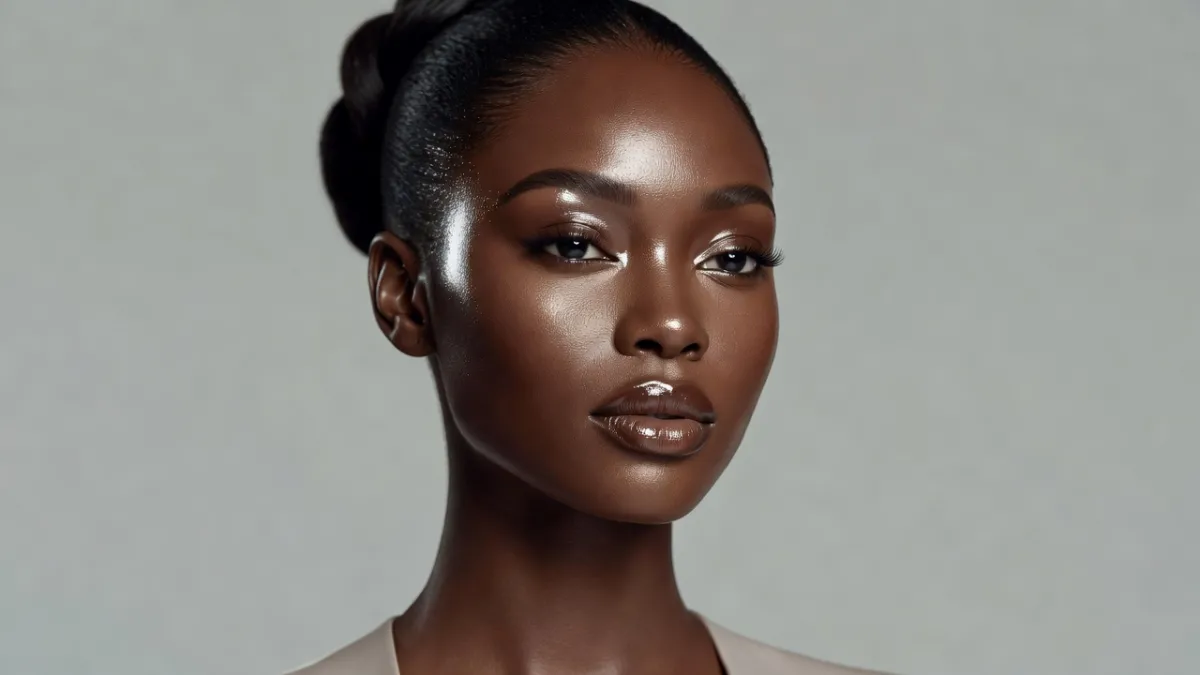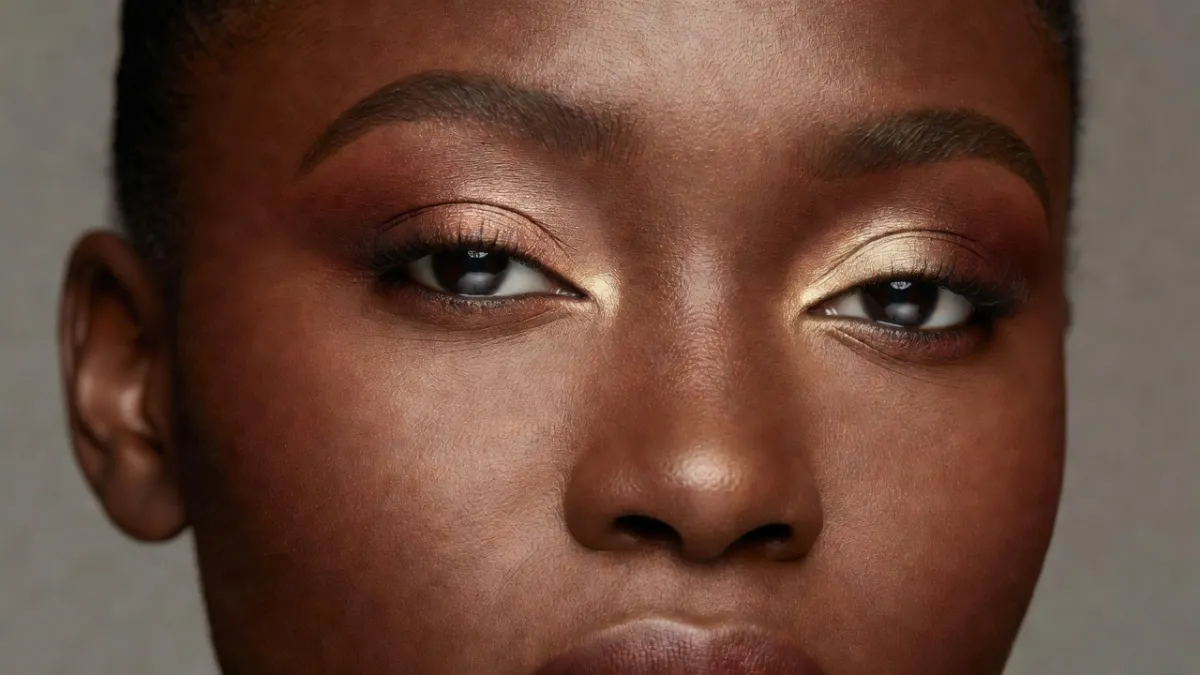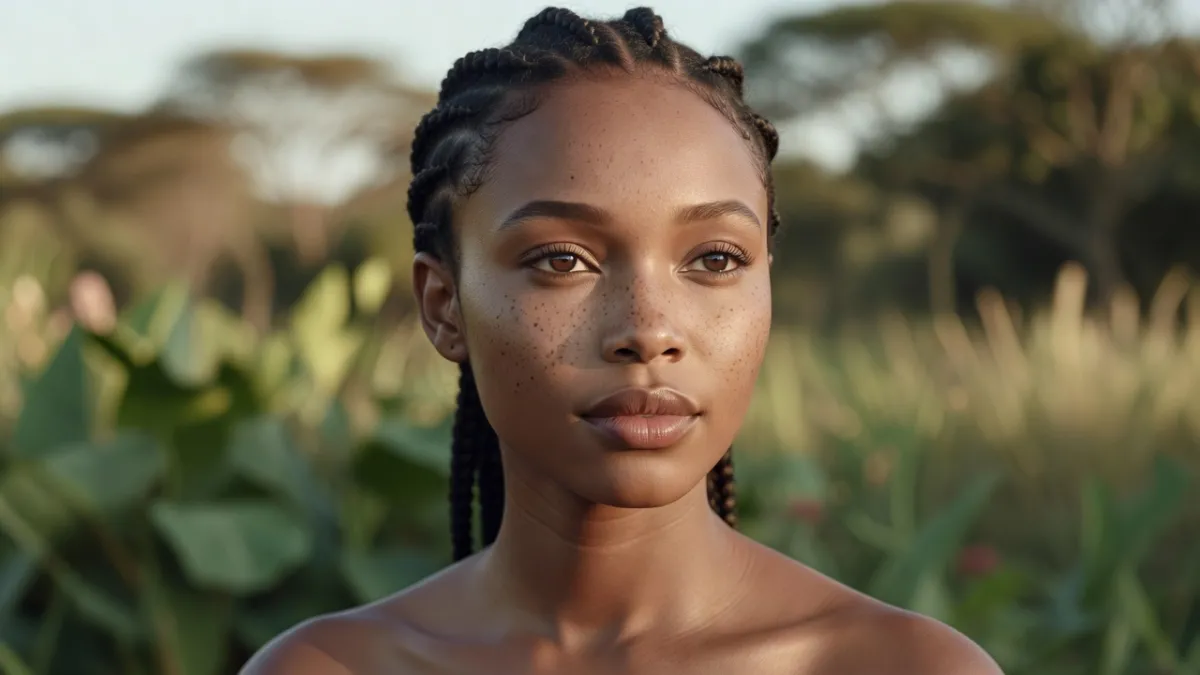
For fashion enthusiasts, African style lovers, and beauty seekers, mastering makeup for African skin is a game-changer. It’s not just about applying products; it’s about celebrating the rich tones and unique textures that define our beauty. Whether you’re preparing for a cultural event or a casual day out, these makeup beauty tips for African skin will help you shine. This guide, filed under Makeup & Beauty Tips, focuses on techniques and products tailored to enhance your natural radiance.
Key Takeaways
- Always start with a hydrated base; moisturize African skin before applying makeup.
- Choose foundations that match your undertone for a flawless finish.
- Use bold lip colors to complement deeper skin tones effortlessly.
- Highlight your features with warm-toned highlighters for a natural glow.
- Protect your skin with SPF, even under makeup, to prevent damage.
- Experiment with vibrant eyeshadows inspired by African fashion palettes.
- Blend products well to avoid harsh lines on textured skin.
Understanding African Skin: Unique Needs and Strengths
African skin is incredibly diverse, ranging from deep ebony to warm caramel tones. Its beauty lies in the rich melanin content, offering natural protection against sun damage. However, it can also be prone to hyperpigmentation and uneven texture. Knowing these traits helps in crafting perfect makeup beauty tips for African skin.
One key strength is how African skin holds color vibrantly. Bold hues like reds and purples pop beautifully against deeper tones. Yet, challenges like oiliness or dryness require tailored solutions. For beauty seekers, this means selecting products that hydrate without clogging pores.
Another factor is the variety of undertones—cool, warm, or neutral. Identifying yours is crucial for choosing the right foundation or concealer. From experience, testing shades on your jawline in natural light works best. This ensures a seamless match for African style lovers aiming for polished looks.
Lastly, environmental factors like humidity in many African regions affect makeup wear. Opt for long-wearing, sweat-resistant formulas to maintain your glow. For fashion enthusiasts, this ties directly to looking fabulous at events. Explore more cultural inspirations at African events for makeup ideas that match vibrant occasions.
💼 Career Opportunities
Skincare as the Foundation for Flawless Makeup
Before diving into makeup beauty tips for African skin, let’s talk skincare. A well-prepped canvas ensures makeup applies smoothly and lasts longer. African skin often needs extra hydration due to its tendency toward dryness. Start with a gentle cleanser to remove impurities without stripping natural oils.
As an Amazon Associate, we earn from qualifying purchases.
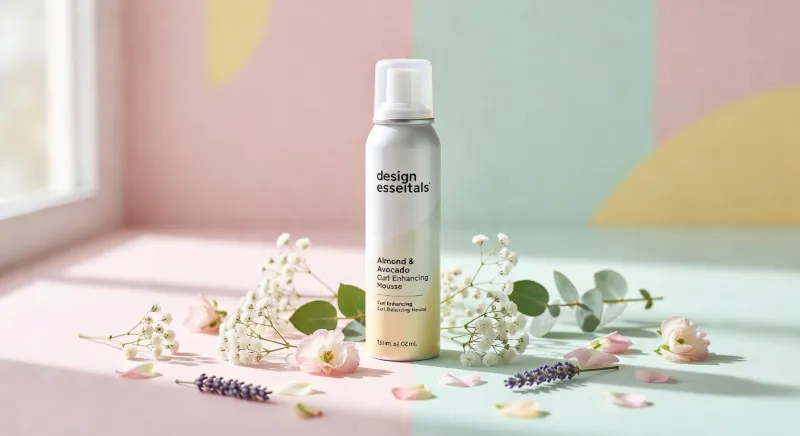
Moisturizing is non-negotiable, especially for deeper skin tones prone to ashiness. Use a lightweight, non-comedogenic moisturizer to lock in hydration. Look for ingredients like shea butter, a staple in African beauty routines. It nourishes while giving a subtle sheen under makeup.
As an Amazon Associate, we earn from qualifying purchases.
Don’t skip sunscreen, even if melanin offers some UV protection. According to general knowledge, sun exposure can worsen hyperpigmentation in darker skin. Opt for SPF 30 or higher with a non-greasy finish. This step is vital for beauty seekers wanting a radiant, even complexion.
Exfoliation, done once or twice weekly, also helps. It removes dead skin cells that can make makeup look patchy. In practice, a mild scrub with natural ingredients works wonders. For more beauty routines, check out makeup and beauty tips to elevate your glow for any style moment.
Choosing the Right Makeup Products for African Skin
Selecting makeup for African skin requires attention to tone and texture. Foundations and concealers must match your undertone to avoid a grayish cast. Many brands now cater to deeper shades, offering warm, golden, or red undertones. Test products in-store whenever possible for the best match.
For fashion enthusiasts, eyeshadow palettes with earthy and jewel tones are ideal. Think burnt oranges, deep greens, and golds inspired by African landscapes. These colors enhance the natural warmth of African skin. They’re perfect for creating looks tied to cultural celebrations.
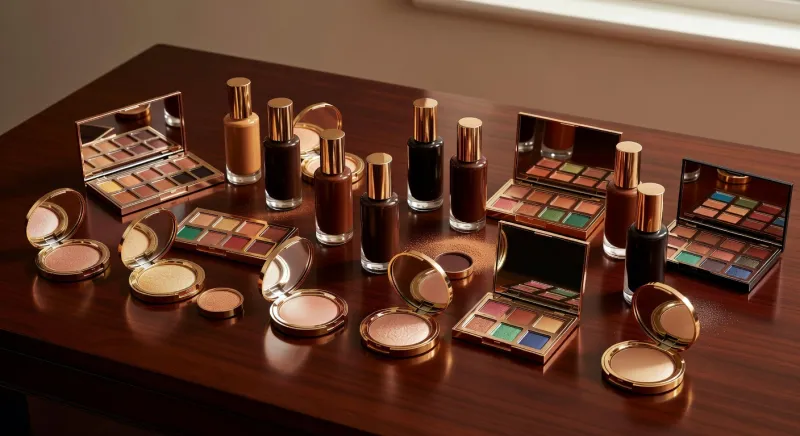
Lipsticks in bold shades like berry, coral, or classic red are stunning choices. Deeper skin tones carry these colors with unmatched elegance. In practice, matte formulas offer longevity for all-day wear. Pair them with a lip liner to prevent feathering on textured lips.
Highlighters and bronzers should lean toward warm, golden hues. Cool-toned products can look ashy on African skin. From experience, dusting highlighter on cheekbones adds a natural glow. This ties into the radiant looks African style lovers crave for standout moments.
Application Techniques for a Seamless Look
Mastering application is key in makeup beauty tips for African skin. Start with a primer to smooth out texture and control oil. Apply it after moisturizer to create a barrier for foundation. This step ensures makeup doesn’t settle into fine lines or pores.
When applying foundation, use a damp sponge for a dewy finish. Dot the product on your face, then blend outward for even coverage. Avoid heavy layers; African skin often looks best with a natural sheen. Build coverage only where needed, like under eyes or on blemishes.
For contouring, use a shade just two tones darker than your skin. Blend it along cheekbones and jawline for definition. Warm-toned bronzers work better than cool grays on deeper skin. This technique enhances features without looking harsh or unnatural.
Eye makeup should be blended meticulously to avoid harsh lines. Use a fluffy brush for seamless transitions between colors. Professionals know that African skin can carry dramatic looks effortlessly. Experiment with bold liners or lashes for cultural events or stylish outings.
Protecting and Maintaining Your Skin Under Makeup
Wearing makeup daily can stress African skin if not managed well. Always remove it thoroughly at night with a gentle cleanser. Leaving residue can clog pores and cause breakouts. This is a must for beauty seekers who value long-term skin health.
Use a lightweight setting spray to lock in makeup without drying skin. Look for formulas with hydrating ingredients like aloe. This prevents makeup from cracking, especially in humid climates. It’s a small step with a big impact on your look.
Touch up sparingly during the day to avoid buildup. Carry a pressed powder or blotting sheets for oil control. Over-applying can make skin look cakey, which dulls natural radiance. Focus on maintaining that fresh, glowing finish instead.
Skin protection extends beyond daily routines. Global health insights from World Health Organization highlight the importance of UV protection. Similarly, resources at African Development Bank often discuss community health initiatives. These remind us to prioritize skincare as part of overall wellness for stunning makeup results.
Frequently Asked Questions
What are the best foundations for African skin tones?
Finding the right foundation for African skin can transform your makeup game. Look for brands offering a wide range of deeper shades with warm or red undertones. Test the product on your jawline in natural light to ensure a match. Formulas with buildable coverage work best for uneven tones. Hydrating foundations also prevent ashiness, a common concern. Stick to lightweight options for a natural finish that lasts.
How do I prevent makeup from looking ashy on dark skin?
Ashiness often comes from mismatched shades or lack of hydration. Always moisturize well before applying makeup beauty tips for African skin. Choose foundations and powders with warm undertones to avoid a gray cast. Avoid over-powdering, as it can dull your natural glow. Use a damp sponge for blending to keep the finish dewy. If ashiness appears, a hydrating setting spray can revive your look instantly.
Which lip colors suit African skin best?
Bold lip colors are a fantastic choice for deeper skin tones. Shades like deep berry, vibrant coral, and classic red stand out beautifully. Nude lipsticks with warm, caramel, or peach undertones also complement naturally. Matte formulas offer staying power for long events. Always line your lips to define the shape before filling in. Experiment with gloss for a hydrated, plump effect that’s on-trend.
How can I make my makeup last in humid weather?
Humidity can be a challenge, but the right steps help. Start with a mattifying primer to control oil and sweat. Use long-wearing, waterproof products for foundation and mascara. Setting spray is your best friend for locking everything in place. Blotting papers can manage shine without adding layers. Keep touch-ups minimal to avoid a heavy look during the day.
What eyeshadow colors enhance African skin tones?
Earthy and jewel tones are perfect for enhancing deeper complexions. Think warm browns, golds, deep greens, and burnt oranges for stunning looks. These shades reflect the vibrant palettes of cultural fashion. Blend well to avoid harsh lines on textured lids. Add a shimmer shade in the center for dimension. Play with bold looks to match your unique style vibe.
Final Thoughts
Mastering makeup beauty tips for African skin is about embracing your natural beauty with the right techniques. From hydrating skincare to choosing vibrant colors, every step enhances your unique glow. These tips cater directly to fashion enthusiasts and African style lovers seeking standout looks.
For beauty seekers, experimenting with products and styles is key. Don’t shy away from bold choices that reflect your heritage and personality. Dive deeper into cultural inspirations at women’s fashion for more ideas to pair with your makeup.
Take action today by trying one new tip from this guide. Whether it’s a bold lip or a glowing highlight, let your beauty shine. Your African skin deserves to be celebrated every day with confidence and flair.