For fashion enthusiasts, African style lovers, and beauty seekers, mastering how to wear traditional African dress is a journey into vibrant culture and timeless elegance. These garments are more than just clothing. They embody heritage, identity, and pride. This guide, filed under 'Traditional Wear,' will help you embrace these iconic pieces with confidence and flair.
Key Takeaways
- Choose authentic fabrics like Ankara or Kente for a true traditional look.
- Pair your dress with complementary accessories like headwraps or bold jewelry.
- Understand the cultural significance of patterns and colors before wearing.
- Ensure proper fit by tailoring or selecting the right size for comfort.
- Style for occasions by matching the formality of the event.
- Experiment with modern twists while respecting traditional roots.
- Learn basic care tips to maintain the vibrancy of your dress.
Why Traditional African Dress Matters in Fashion
Traditional African dress holds a special place in the world of style. It’s a powerful expression of culture for African style lovers. Each piece tells a story of history and community. For fashion enthusiasts, it’s a chance to stand out with unique designs.
These dresses often feature bold prints and vivid colors. They reflect the diversity of African regions and tribes. From the intricate patterns of Kente cloth to the versatile Ankara fabric, each material carries meaning. Wearing them is a celebration of identity.
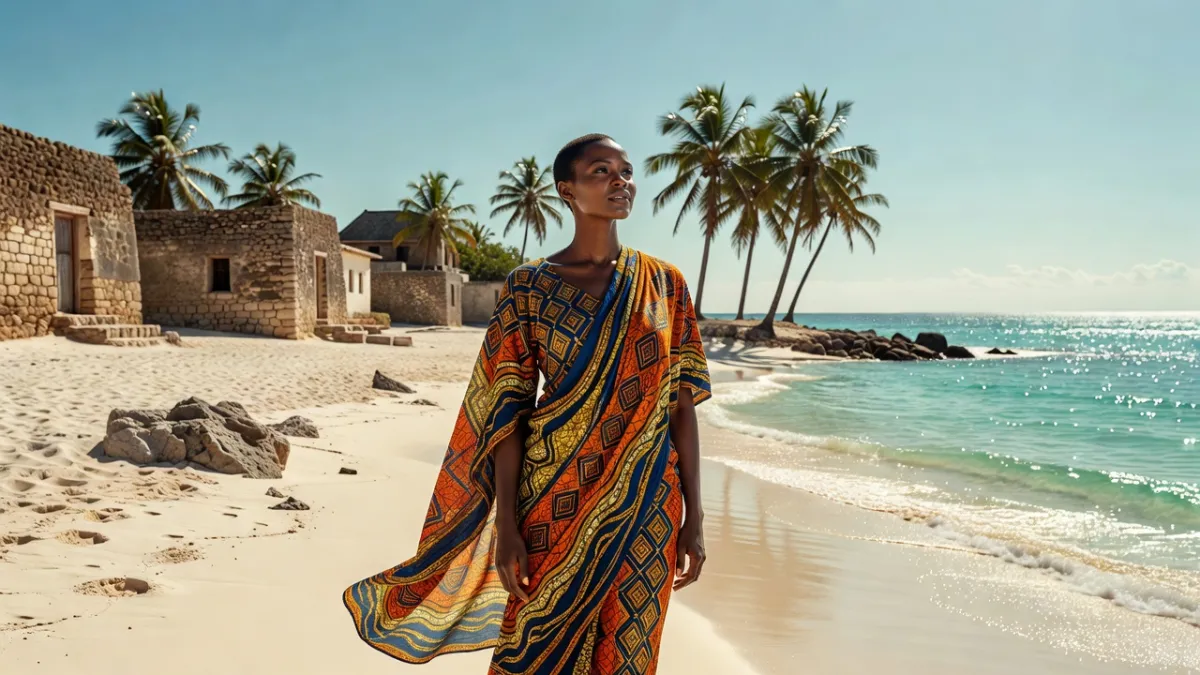
For beauty seekers, these garments enhance natural allure. They highlight confidence through striking silhouettes. Whether it’s a flowing boubou or a fitted dashiki dress, the impact is undeniable. You become a walking piece of art.
Understanding this cultural depth is key. It’s not just about looking good. It’s about honoring traditions while embracing personal style. Dive into this category of African women’s fashion to explore more inspiring looks.
💼 Career Opportunities
Choosing the Right Fabric for Your African Dress
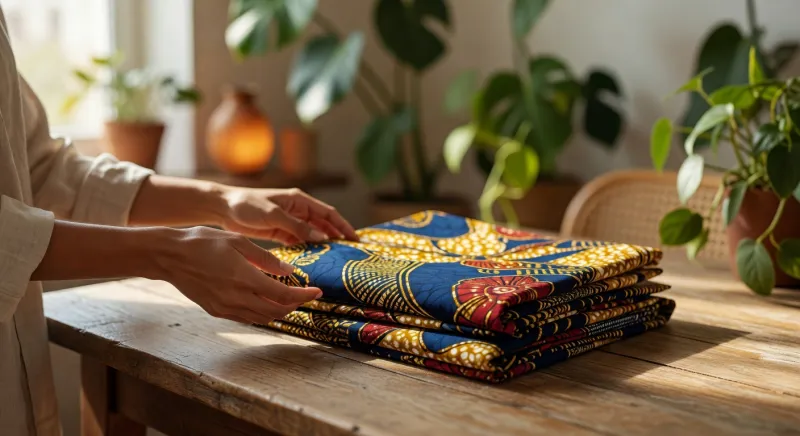
Fabric is the foundation of any traditional African dress. For fashion enthusiasts, selecting the right material is crucial. Ankara, with its vibrant wax prints, is a popular choice. It’s versatile for casual or formal looks.
As an Amazon Associate, we earn from qualifying purchases.
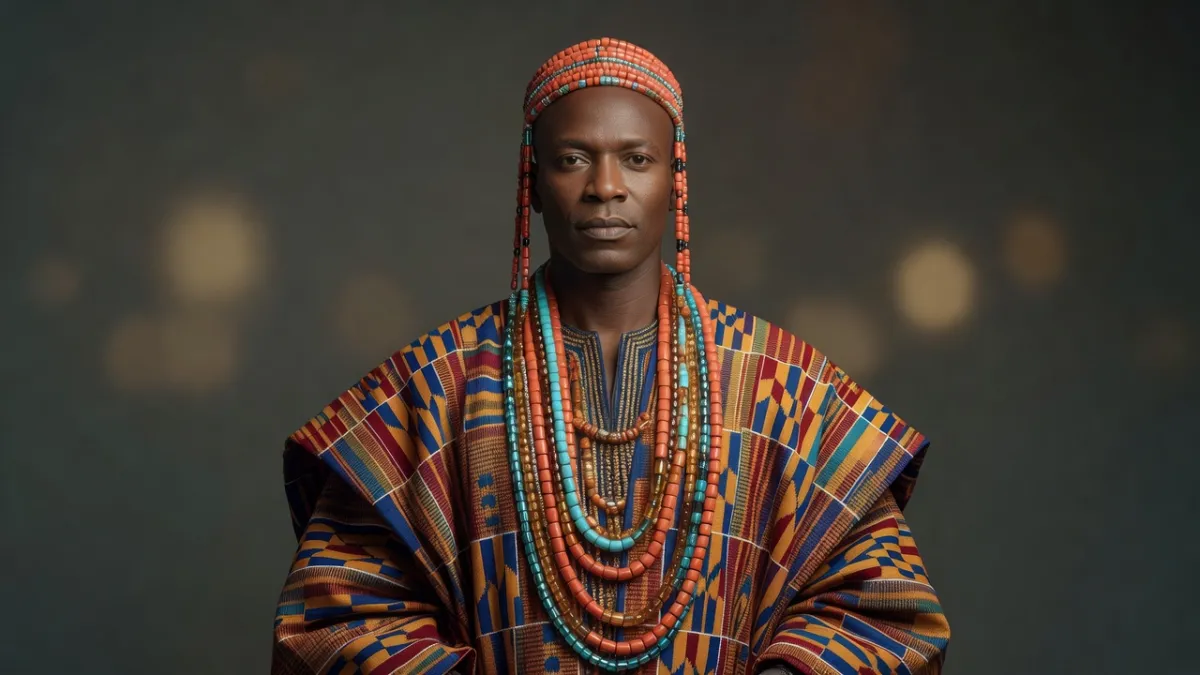
Kente cloth, originating from Ghana, is another iconic option. Its woven patterns symbolize status and heritage. This fabric suits special events like weddings. African style lovers often cherish its bold, regal appeal.
As an Amazon Associate, we earn from qualifying purchases.
Mudcloth, or Bogolanfini, offers a rustic, earthy vibe. It’s perfect for unique, artsy outfits. Each piece is hand-dyed with natural materials. Beauty seekers can pair it with minimalist accessories for balance.
Consider the occasion and climate when choosing. Lightweight fabrics work for hot weather. Heavier ones add warmth and structure. Always prioritize authenticity to respect the craft, as highlighted by resources from African Development Bank.
Styling Tips for Traditional African Dress
Knowing how to wear traditional African dress starts with styling. For fashion enthusiasts, balance is key. A busy print needs simple accessories. Think gold earrings or a sleek clutch for elegance.
Headwraps, or gele, elevate your look instantly. African style lovers often use them for cultural events. Tie them in creative ways to match your dress. Tutorials online can guide you through this art.
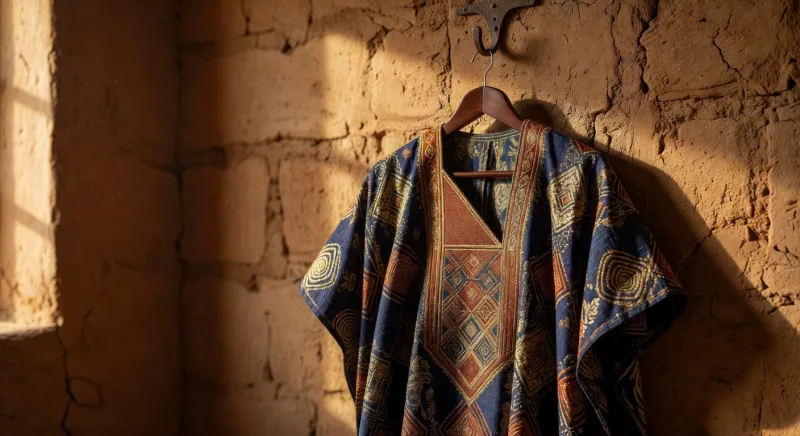
Footwear matters too. Sandals or pointed flats complement flowing dresses. For formal settings, opt for heels with subtle shine. Beauty seekers can focus on comfort without sacrificing style.
Layering adds dimension to your outfit. Try a shawl or jacket for cooler days. Ensure the colors harmonize with your dress. From experience, a tailored fit transforms the entire ensemble into perfection.
Accessorizing Your Traditional African Dress
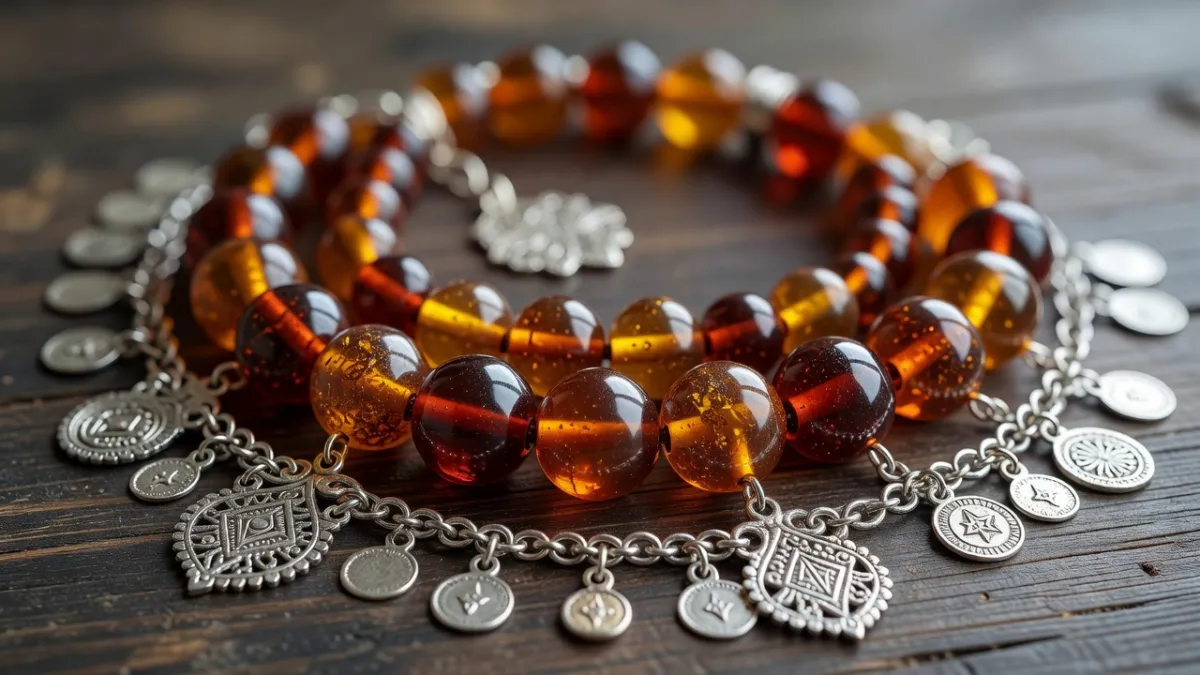
Accessories can make or break your traditional African dress look. For fashion enthusiasts, bold pieces are often the way to go. Chunky beaded necklaces or large hoop earrings draw attention. They highlight the vibrancy of your outfit.
African style lovers know the power of cultural jewelry. Coral beads or brass cuffs carry historical weight. They connect you to ancestral craftsmanship. Wear them with pride to honor the legacy.
Don’t forget bags and belts for functionality. A woven tote or leather belt adds flair. These pieces also define your waistline in loose dresses. Beauty seekers can use them to create a polished silhouette.
Less is often more with busy patterns. Avoid over-accessorizing to keep the focus on the dress. In practice, one statement piece works best. Explore more cultural insights in our African diaspora stories section.
Occasions to Wear Traditional African Dress
Traditional African dress shines at various events. For fashion enthusiasts, weddings are a prime occasion. Brides and guests often wear Kente or Ankara styles. These outfits bring color and joy to celebrations.
Cultural festivals are another perfect setting. African style lovers can showcase heritage through attire. Think of events like Africa Day or local heritage fairs. Your dress becomes a symbol of unity and pride.
Even casual gatherings work with the right styling. A simple dashiki dress suits family reunions or picnics. Pair it with flats for a relaxed vibe. Beauty seekers can add a touch of makeup for flair.
Professionals in this field know formal events demand elegance. A tailored boubou can fit corporate cultural days. Always research the dress code beforehand. Resources like United Nations cultural insights can offer global context.
Caring for Your Traditional African Dress
Proper care ensures your traditional African dress lasts. For fashion enthusiasts, preserving fabric quality is essential. Hand-wash delicate materials like Kente or mudcloth. Use mild detergent to protect colors.
African style lovers should avoid harsh sunlight when drying. Direct heat fades vibrant prints over time. Lay the dress flat or hang it indoors. This keeps the shape intact for future wear.
Ironing requires caution to prevent damage. Use a low heat setting or steam option. Place a cloth between the iron and fabric. This protects intricate patterns from scorching.
Storage is just as important. Fold or hang in a cool, dry place. Avoid damp areas to prevent mildew. Beauty seekers can maintain their stunning looks by following these simple steps.
Frequently Asked Questions
How do I choose the right traditional African dress for my body type?
Choosing the right traditional African dress starts with understanding your body shape. Consider styles that flatter your figure, like A-line dresses for pear shapes. Fitted dashiki dresses work well for hourglass figures. For apple shapes, opt for loose boubous with defined waistlines. Always try on or tailor the dress for the best fit. Consult a local designer if you’re unsure about measurements.
What accessories go best with a traditional African dress?
Accessories can elevate how to wear traditional African dress effortlessly. Bold jewelry like beaded necklaces or large earrings pairs beautifully with vibrant prints. Headwraps add a cultural touch and frame your face. A woven bag or leather belt offers both style and function. Avoid overdoing it—stick to one or two statement pieces. Match metals or colors to the dress for harmony.
Can I wear a traditional African dress to a non-African event?
Absolutely, you can wear these garments to non-African events with respect. Ensure the occasion suits the formality of the outfit. A casual Ankara dress works for birthdays or brunches. For formal settings, choose elegant Kente styles. Always be mindful of cultural appropriation concerns. Educate yourself on the dress’s significance to honor its roots.
How do I tie a headwrap with my African dress?
Tying a headwrap, or gele, enhances your traditional look. Start with a long fabric strip and wrap it around your head. Tuck the ends securely for a firm base. Create folds or twists for artistic flair. Online videos offer step-by-step guidance for beginners. Practice makes perfect, so don’t rush the process.
Where can I buy authentic traditional African dresses?
Authentic dresses are available from local African markets or trusted online stores. Look for vendors who source directly from artisans. Etsy or African-owned boutiques often carry genuine pieces. Check reviews to ensure quality before purchasing. Visiting cultural festivals can also lead to unique finds. Supporting small businesses preserves the craft and heritage.
Final Thoughts
Mastering how to wear traditional African dress is a rewarding experience. It blends style with deep cultural meaning for fashion enthusiasts and African style lovers. From choosing fabrics to accessorizing, every step celebrates heritage.
For beauty seekers, these dresses offer endless ways to shine. Use this guide to experiment with confidence and respect. Dive deeper into related topics on our African events page for more inspiration.
Now, it’s your turn to embrace this vibrant fashion. Share your looks or ask questions in the comments. Let’s keep the conversation alive and stylish.